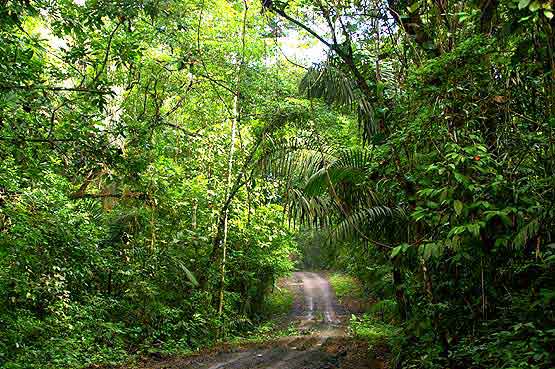
Bird watching in Panama is nothing short of magical. This small but incredibly biodiverse country is a global hotspot for bird enthusiasts, offering a remarkable variety of species packed into a compact and easily accessible landscape. From dense rainforests to serene coastlines, Panama is home to over 1,000 bird species—more than the United States and Canada combined.
If you’re looking for a destination that combines adventure, nature, and unforgettable wildlife encounters, bird watching in Panama should be at the very top of your list. This comprehensive guide will walk you through everything you need to know—from the best locations and species to expert tips that will elevate your experience.
Why Panama Is a Bird Watcher’s Paradise
Panama sits at a unique crossroads between North and South America, acting as a natural bridge for migratory birds. Its diverse ecosystems—ranging from tropical rainforests and cloud forests to wetlands and mangroves—create ideal habitats for a vast array of bird species.
What makes Panama especially attractive is its accessibility. Within just a few hours, you can travel from lush highlands to coastal shores, encountering completely different bird populations along the way. This diversity means you can experience world-class birding without long, exhausting journeys.
The Incredible Diversity of Bird Species in Panama
Panama boasts an astonishing number of species, including colorful toucans, elusive antbirds, dazzling hummingbirds, and majestic raptors. Among the most sought-after birds are:
- The resplendent Resplendent Quetzal
- The iconic Harpy Eagle (Panama’s national bird)
- Vibrant macaws like the Scarlet Macaw
- Tiny but dazzling hummingbirds such as the Snowcap
With such diversity, every birding outing feels like a treasure hunt.
Please Note: New Online Payment System for Protected Areas:
The Ministry of Environment (MiAmbiente) has announced the implementation of a new online payment system for admission to Panama’s marine and terrestrial protected areas such as Volcan Baru in Chiriqui Province pictured above or underwater sanctuaries such as Coiba pictured below. This service is available through its official website, miambiente.gob.pa , allowing visitors to make payment quickly and easily from anywhere. To use this service, users must access the MiAMBIENTE website and select the “Payments for admission to protected areas” tab. From there, they can choose the protected area they wish to visit, make the corresponding payment using a Clave, Visa, or Mastercard card, and receive an electronic receipt of entry.
Best Bird Watching Locations in Panama
The Pipeline Road


The famous Pipeline Road (Camino del Oleoducto) is one of the top spots for birdwatching. To get there you fallow the road along the Panama Canal all the way to Gamboa, once you cross the bridge at Gamboa (over the Chagres River) you follow the road always straight ahead, passing the big Hercules crane from the Panama Canal until at the end you reach the Dock from the SmithSonian research Institute there you head right up into the forest, following the signs from the where after a short drive you will see the Gate at the beginning of the Pipeline road.
The Soberania National Park counts with 105 species of mammals, 525 species of birds, 79 species of reptiles, 36 species of fish and an incredible abundance of plants. Along the way you will hear the Howler Monkey and if lucky see some as well as coatis and maybe a lazy sloth hanging in a tree and of course many species of birds. After about 1 mile on the left side you can visit the Panama Rainforest Discovery Center where you can climb the 32meters high observation Tower the Center charges a fee.

Pipepline road map
The complete pipeline road is about 24 kilometers long, but don’t plan to get all the way normally a few kilometers will do to get some great sightings, remember you have to walk back again. It is recommended to go along with a guide who knows the area and also knows the wildlife in the area. Attached is a little map and a picture of the Pipeline Road, this is a great place for a hike and ill go there whenever I can at least 3 times a month. Remember to take a bottle of fresh drinking water along and something to eat if you must but please keep the place clean.
Plantation Road


The entrance to the Plantation Road is a short few miles at the right hand side, after the Summit Garden on the road leading to Gamboa, the same entrance as to the Canopy Tower but a left turn at the gate. A sign at the entrance of the Plantation road reads: “During the construction of the Canal a three mile improved road was constructed from the town of Empire to the Las Cascadas Plantation. This was the first paved road in the interior of Panama. This trail is the remnant of the Plantation Road and along it you may still find remnant Cocoa, Rubber Trees and Coffee Plants.”
It is a great easy hike only a short drive from the city to see some wildlife and a great jungle scenery with cascades along the little creek and if you are lucky like me the other day you might see some Motmots, Manakins, Trogons, even a Geoffroys Tamarin monkey with its family way up in the canopy or some Tucans.
Parque Natural Metropolitano


Metropolitan Park Map
From their brochure: “At only 10 minutes from downtown the Parque Natural Metropolitano is one of the most accessible tropical forests in the world.” Yes and im amazed that not more folks take advantage of this jewel within the city limits (or maybe thats a good thing, who knows). There are a few nice a easy trails, great for some bird watching or just to enjoy the nature and do some exercise plus some great views from top of the hill over parts of the city. The park is open daily from 6 AM to 5PM and you need to pay a small fee at the Administration office. See any city map for the exact location on de Ave Juan Pablo II. The parks brochure mentions that there are 227 species of birds living here and you surley will see many of them including some Toucans. The parks office also features a small store where you may buy some birding books or t-shirts and other souvenirs. Well worth a visit any time!!
Cerro Punta, Chiriqui Highland


Cerro Punta is way up in the High Lands of Chiriqui, to drive there head west in direction to the border with Costa Rica out of David and in the town of La Concepcion turn right when you see the large sign pointing in the direction to the Hotel Bambito. Drive along that road all the way to the town of Volcan and from there to the Hotel Bambito, a good Hotel to stay and to taste its fresh trouts from the trout farm alongside the road, and from there up to Cerro Punta.
In Cerro Punta you find a little Hotel called Hotel Quetzal. A great place to visit in Cerro Punta is the Dracula Orchid Farm that features guided tours to show of its collection of rare orchids. That place is pure magic and a delight for every nature lover. Cerro Punta also is famed for its strawberries so try them out with some fresh cream from the mountain farms, its also a good place to buy some plants in any of the placed offering them. From the Hotel Los Quetzles you may book some guided tours to the nature parks where birdwatchers are looking for the Resplendant Quetzal and many other bird species in the National Park that surrounds the area.
Santa Fe, Veraguas


Turn right at the cross over in Santiago if you come from Panama City and from there it is about a 50 – 60 minutes drive 50Km up into the cool hills where you find Santa Fe in Veraguas. Santa Fe counts with a small Hotel and a few shops where you can buy basic supplies.
From here you can do a variety of hikes like to the waterfalls for example or up the slippery trail trough the wet mountain rain forest to the Cerro Tute. I recommend this only if you are in top shape because its way uphill and almost always slippery, but at the top a superb view (if the weather allows) awaits you. There are also some good spots for birdwatching along the way and onto the forest on the other side of the continental divide there is a new road as we understand now along Rio Calovebora, that in part goes along or trough the Santa Fe National Park with a few waterfalls and surley many good birding spots yet to be discovered.
Each august there is a small orchids fair in the town well worth visiting and there are also many great spots along the Santa Maria river to be discovered. Santa Fe has a fresh climate due to the altitude close to the continental divide and it is becoming a great place where many folks build their weekend or retirement home in “Altos de Piedra”. The Artisan Market in Santa Fe sells fresh fruit and vegetables and also classic Panamá hats that are more durable and cheaper than hats found elsewhere in Panamá. BTW along the road up from Santiago there is a great place for a little pit stop where they sell fresh cheese and beverages, look out for the “Mirador” along the way, about 20 Km from Santiago, you cant miss it.
Summit Gardens


From their website summitpanama.org: “…..The Summit Nature Park-Panama is a center for recreation, education, conservation, and investigation dedicated to reflect and enhance Panama’s tropical and cultural diversity. Inspiring respect and awe, one visitor at a time, one generation at a time.
The first botanical gardens were planted at Summit in 1923 by the United States, part of a program to reproduce and distribute tropical plants from around the world. In 1929 the name “Canal Zone Experimental Gardens” was bestowed upon the site and in 1962 a small collection of native animals was added. In 1979, under the terms of the Torrjos-Carter Treaties, ownership of Summit reverted to the national government and then to the City of Panama in 1985, when it became known as the Summit Municipal Park and Botanical Garden…..”
The park is easy accessible by a short drive from Panama City on the road to Gamboa, see the Panama Map here for location. This park is a must for any visitor or resident to Panama. First you get to see two of the most impressive birds around: the National bird of Panama: The Harpy Eagle and you can also see the colorful King Vulture besides many others like Macaws, Parrots, Toucans etc plus a wide variety of native animals like the Jaguar some monkeys and much more. It is also a great place for some easy nature walks and a good spot for birdwatching as the place is surrounded by the Soberania National Park, see free flying Toucans, Motmots, Flycatchers, Tanagers, the Masked Tityra (see attached image), Woodpeckers, noisy Parrots and many more. And best of all the admission fee is just one dollar so get out there and enjoy nature!
The Panama Rainforest Discovery Center


From the The Panama Rainforest Discovery Center brochure: Visitor Center: 140 square meters of open structure with terrace, 2 bathrooms and a small gift shop. There is parking for 8 cars and car access by 600 meters of dirt road from Pipeline Road. Hiking trails extend from the center to the forest. The center is energy self-sufficient with solar panels and a rain water collection system from the roof for bathrooms. 70% of construction materials come from old houses in the Canal area. The gift shop offers bottled water, sodas, snacks and souvenirs for sale.
Tower: 100 feet observation tower with a 200 meter walkway from the visitor center. Spiral stairs and 4 rest platforms every 25 feet. This painted steel tower has been specially designed by the Panamanian architect Patrick Dillon and was constructed entirely by hand.
Forest trails: There is a 1.1 kilometer circuit of forest trails. These trails are from mild to a moderate difficulty level, made of gravel and 1.2 meter wide. There are 2 rest areas along the trails, one small wood deck on the Calamito Lake shore for aquatic wildlife observation, and another wood deck in the forest with benches.
The Panama Rainforest Discovery Center is located 1.6 km from the Pipeline Road entrance. After arriving at Gamboa town at the end of Gaillard Highway, drive 3 more km following the signs for Panama Rainforest Discovery Center. The Panama Rainforest Discovery Center is open daily from 6 a.m. to 4 p.m. except Christmas and New Year days. For more info and prices see the The Panama Rainforest Discovery Center website here.
El Cope National park


The El Cope National Park or also known as the Omar Torrijos Herrera National Park is located in the province of Cocle. To drive to El Cope you turn off the Pan-American Highway about 20 miles after passing the town of Penonome coming from Panama City turning right. And from there uphill about half an hour or so. After the Village of El Cope (best ask locals for directions) you get to the Yayas Waterfalls well worth visiting also and from there its about 4Km or 45 minutes walk uphill to get to the entrance of the park where a few trails start.
The El Cope Park covers 25,275 hectares and among its inhabitants we count from the Jaguar to the strong-billed woodcreeper a wide variety of animals and the forest is also know for its rubber trees. Even do its a bit hard to get to its well worth checking it out. ANAM has an office in El Cope (see the attached photo of the Village of El Cope, the ANAM office is behind those pine trees) where you can get more information as well. Its a good idea to get a local guide that knows the area so you dont get lost. To the waterfalls its easy on your own but up the park is another story, as surely you dont want to become Jaguar food.
Punta Chame, Panama


Punta Chame is a great beach to pass a nice day and besides some swimming enjoy the many sea and shore bird in the area. Its only an hour and a half drive from Panama City, after passing Capira and the Campana hills you turn left when you see the Punta Chame sign and that is before you reach the Chame village. From the highway down to the Punta Chame peninsula is still at least a 30 minutes drive as the road is not in the best shape, even do it looks like they started to repair it. On the beach is a little restaurant and they also rent out rooms in case you want to stay there overnight. Do the nice walk around Punta Chame and discover the peninsula and its birds but make sure to take along some cream and a hat to protect yourself from the hot sun!
San Lorenzo National Park


From sanlorenzo.org.pa: “San Lorenzo National Park. Spread over the west bank of the Panama Canal, on the Atlantic coast, the San Lorenzo Protected Area includes 9,653 hectares (about 23,852 acres) of forests, mangroves and pastures, as well as 20 km (12 miles) of coastline.
We know of almost 600 species of vertebrates, a third of all those identified in Panama, including 430 birds and 81 mammals. On the mouth of the Chagres river (right), Members of the Panama Audubon Society counted 357 species of birds in a single day in the area, during the annual Christmas count in 1999 — a record for the western hemisphere. Jaguars and tapirs can also be found in the area, which reflects the health of this ecosystem, despite its relatively small size.”
To drive to the park area around Fort San Lorenzo, cross the Panama Canal at the Colon side Gatun Locks, then straight ahead to the first Gate at Fort Sherman, from there its a short drive following the road signs into the forest for the next gate from ANAM where you need to pay a small fee, then drive trough the park on a newly paved road. Along the way to the fort there are numerous side roads or trails like for example the one to Playa Tortuguilla which are well worth checking out. Also ask the folks at the ANAM gate for any questions you might have. The Trogon Trail is on the other side of the park at the Achiote Road .

San Lorenzo National Park Map
El Valle de Anton


El Valle is a great place for a day trip from Panama or even to stay there for a few days, there are a great many options for Hotels in El Valle from the budget oriented all the way to the boutique hotels you find a wide array of options, see this websaite about El Valle here for more information. Dont missa visit to the local market where you find flowers, fresh fruit and veggies plus a wide range of local souveniers, unfortunately they are more expensive in some cases then buying them in the city.
One of the best and easiest trails to see some birds is the hike starting behind the Hotel Campestre that leads to the Square Trees. The starting point of that trail is inside the Hotel area at the lower right side along the fence over a little bridge. Other great places in El Valle are for example the area of the Canopy Adventure where you also see the El Macho waterfall, the area around the Hot Springs (Pozos termales).
Also a good idea is a visit to the El Nispero Zoo or if you in good shape a hike up the La India Dormida mountain plus many more. So there is plenty to do and see in El Valle enjoy it and dont forget to visit the popular market for a little souvenir or some fresh fruit.
To go to El Valle from Panama City, take the Panamerican Highway at around 100 Km past Panama and about 6 Km past San Carlos you will see El Valle turn off, from here its about 30 KM up hill. The drive from Panama takes around 1 hour and 45 minutes.
Coiba Island

With an area of 50.3 square miles, Coiba is the largest island in Central America, off the Pacific coast of the Panamanian province of Veraguas. Coiba National Park (Nacional Parque Coiba) is a group of 38 islands including Coiba Island Iguana on Isla Coiba (Isla Coiba) and the waters surrounding them and covers 430,825 acres. Unesco declared the entire Coiba National Park a “World Heritage Site”.
To visit Coiba best check with a local tavel agency, there are some boats to hire in Santa Catalina for the tour but remember it needs to be well organized as you need a permit from ANAM and they are also the only ones that have facilities on the island where you can stay overnight. There are no stores on the island so all food and beverage needs to be taken from the main land and also all trash needs to be taken back.
Coiba separated from continental Panama about 12,000 to 18,000 years ago when sea levels rose. Coiba was home to the Coiba Cacique Indians until about 1560, when they were conquered by the Spanish and forced into slavery. A penal colony was built on the island in 1919. After the prison was closed down in 2004, its pristine condition made it ideal as a reserve.
With an area of 50.3 square miles, Coiba is the largest island in Central America, off the Pacific coast of the Panamanian province of Veraguas. Coiba National Park (Nacional Parque Coiba) is a group of 38 islands including Coiba Island Iguana on Isla Coiba (Isla Coiba) and the waters surrounding them and covers 430,825 acres. Unesco declared the entire Coiba National Park a “World Heritage Site”.
Boquete, Chiriqui

Boquete is a picturesque village high up in the mountains of Chiriqui and is famous for its yearly flower and coffee fair. Boquete can be reached by car in about 30 minutes from David, Chiriqui. There are plenty of good Hotels in the area and also good travel guides available.
The cloud forests around Boquete, in and around the Volcan Baru National Park, offer excellent bird watching opportunities. One special trail to mention here is the The Sendero Los Quetzales its one of the best bird watching spots in the country! But please beware and take a local guide along, many hikers have gotten lost in those forrests and its much better to be safe then sorry!
Altos de Campana National Park


Here is another great spot for birdwatching close to Panama City. Located in the Province of Panama about 50 kilometers (one hour drive) west from Panama City. Just a few kilometers after passing Capira a side road takes up up to the park. Campana is Panama’s oldest National Park, being legally established in 1966 in part to protect the Panama Canal watershed. The Park protects 4,925 hectares of great biological diversity.
At the parks administratives office at the entrance you need to pay a small fee, they have a little brochure that shows the trails of the area. Some of the bird species reported in the area are for example the are Orange-bellied Trogon, the White tailed Hawk, some rare hummingbirds and many others you can discover as well. Also make sure to wear good hiking shoes as some of the trails are very slippery in the rainy season, and dont try to hold on to the trees that are full of sharp thorns like I did! 😉

Photo Book: Discover Panamas Beauties
Introducing our captivating photo book showcasing the mesmerizing flora and fauna of Panama! Dive into the vibrant world of biodiversity with stunning imagery capturing the essence of Panama’s natural wonders. From majestic birds to elusive wildlife and breathtaking landscapes, this book is a visual feast for nature enthusiasts.
Don’t miss your chance to own a piece of Panama’s natural heritage. Order your copy here at Amazon now and embark on a visual journey through the enchanting landscapes and fascinating wildlife of Panama!
Panama has one of the richest bird populations in the world because it sits between North and South America and contains rainforests, mountains, wetlands, mangroves, islands, and coastlines on two oceans. Current checklists record over 1,030 bird species in Panama, including residents, migrants, and endemics.
Because listing every single species in one message would be extremely long (1,000+ birds), the best way to answer is to organize them clearly.
Bird Species Native to Panama (Main Resident & Endemic Birds)
Raptors
- Harpy Eagle
- Crested Eagle
- Black Hawk-Eagle
- Ornate Hawk-Eagle
- King Vulture
- Black Vulture
- Turkey Vulture
- Roadside Hawk
- Gray-lined Hawk
- Laughing Falcon
Parrots & Macaws
- Scarlet Macaw
- Great Green Macaw
- Red-lored Parrot
- Mealy Parrot
- Yellow-crowned Amazon
- Orange-chinned Parakeet
- Brown-throated Parakeet
- Crimson-fronted Parakeet
Toucans & Aracaris
- Keel-billed Toucan
- Chestnut-mandibled Toucan
- Yellow-eared Toucanet
- Collared Aracari
- Fiery-billed Aracari
Hummingbirds
- Violet-capped Hummingbird
- Snowcap
- White-necked Jacobin
- Rufous-tailed Hummingbird
- Long-billed Hermit
- Crowned Woodnymph
- Garden Emerald
- Glow-throated Hummingbird (endemic)
Motmots & Kingfishers
- Blue-crowned Motmot
- Rufous Motmot
- Ringed Kingfisher
- Amazon Kingfisher
- Green Kingfisher
Owls
- Spectacled Owl
- Black-and-white Owl
- Ferruginous Pygmy Owl
- Mottled Owl
- Crested Owl
Herons & Waterbirds
- Bare-throated Tiger Heron
- Great Blue Heron
- Cocoi Heron
- Little Blue Heron
- Snowy Egret
- Roseate Spoonbill
- Wood Stork
- Jabiru
Songbirds & Forest Birds
- Blue-gray Tanager
- Scarlet-rumped Tanager
- Golden-hooded Tanager
- Bay-headed Tanager
- Red-legged Honeycreeper
- Clay-colored Thrush
- Tropical Mockingbird
- Black-cheeked Woodpecker
- Great Kiskadee
- Social Flycatcher
- Tropical Kingbird
Bird Species Endemic to Panama
Species found naturally only in Panama include:
- Azuero Dove
- Glow-throated Hummingbird
- Stripe-cheeked Woodpecker
- Coiba Spinetail
- Panama Tyrannulet
- Pirre Chlorospingus
- Tacarcuna Chlorospingus
Migratory Birds Seen in Panama
Panama also hosts many migratory birds seasonally:
- Osprey
- Broad-winged Hawk
- Swainson’s Hawk
- Peregrine Falcon
- Wood Thrush
- Baltimore Oriole
- Various warblers
- Sandpipers and shorebirds
Complete List of All Bird Species Recorded in Panama
Panama has over 1,030 recorded bird species, making it one of the most bird-rich countries in the world. A complete official checklist is extremely long and constantly updated as taxonomy changes, new sightings are confirmed, and species are split or renamed.
Because of the size of the list, the most accurate way to access the full complete checklist is through trusted ornithological databases.
Best Complete Panama Bird Lists
- Avibase – Complete Panama checklist with scientific names, taxonomy, and updates.
https://avibase.bsc-eoc.org/checklist.jsp?region=PA - eBird – Panama species list with sightings, maps, and seasonal records.
https://ebird.org/region/PA/bird-list - BirdLife International – Species ranges and conservation data.
https://www.birdlife.org/
Conclusion: Why Panama Should Be Your Next Bird Watching Destination
From the lush depths of its rainforests to the tranquil beauty of its coastlines, Panama stands out as one of the world’s premier bird watching destinations. Its unmatched biodiversity, accessibility, and variety of habitats make it ideal for both beginners and seasoned birders.
Whether you’re chasing the elusive Resplendent Quetzal in the highlands, marveling at a Harpy Eagle in the wild, or simply enjoying the vibrant birdlife in an urban park, Panama delivers unforgettable experiences at every turn.
If you’re ready to immerse yourself in nature, expand your birding knowledge, and create lasting memories, there’s no better place to start than Panama.
Please bookmark us now press: ctrl+d and visit again soon for more fascinating travel destinations! Here some recommended links selected for you: The Best Books of the Month, Todays best Deals at Amazon, Best Sellers in Cell Phones & Accessories and last but not least the easy and great way to send a gift for the holidays: Amazon.com eGift Card (Instant Email or Text Delivery).
A selection of Nature images, wildlife, flora and landscape stock photos, to see many more images and to license our stock photos please see our complete collection of our wildlife, flora and landscape stock images here at Alamy.
Introducing our captivating photo book showcasing the mesmerizing flora and fauna of Panama! Dive into the vibrant world of biodiversity with stunning imagery capturing the essence of Panama’s natural wonders. From majestic birds to elusive wildlife and breathtaking landscapes, this book is a visual feast for nature enthusiasts.
Don’t miss your chance to own a piece of Panama’s natural heritage. Order your copy here at Amazon now and embark on a visual journey through the enchanting landscapes and fascinating wildlife of Panama!
Comments are closed