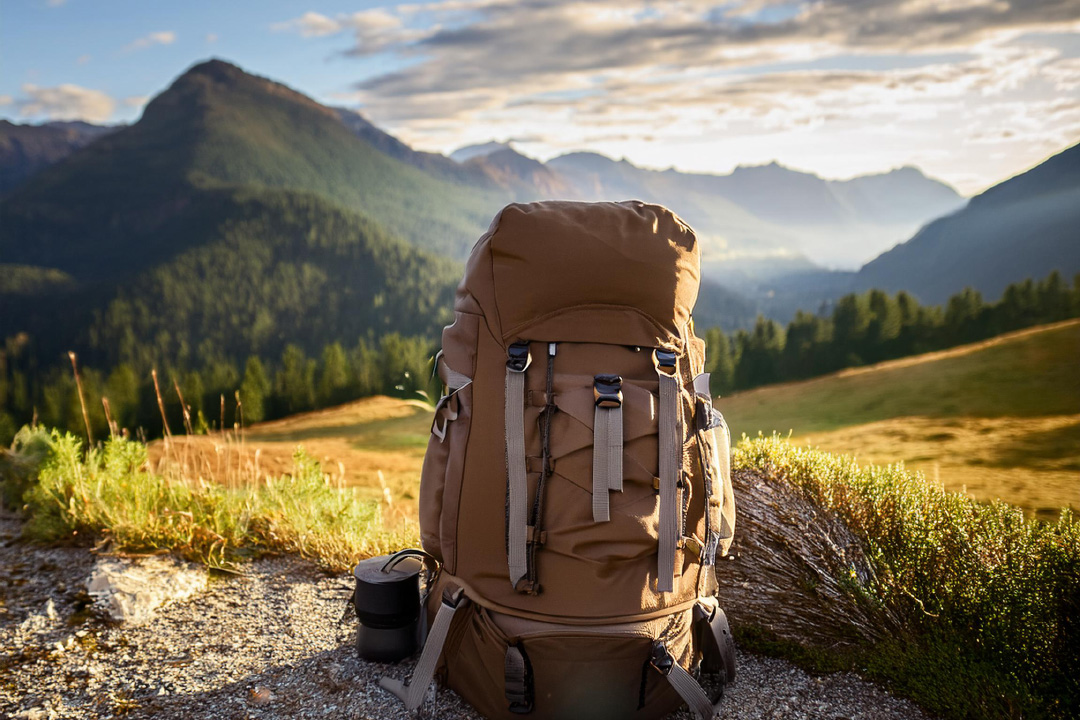
Discover Canada: 15 Breathtaking Places Every Nature Lover Should Visit
Canada is one of those rare countries where nature is not simply an attraction—it is the destination itself. From glacier-covered mountains and turquoise lakes to ancient rainforests, dramatic coastlines, vast wetlands, and Arctic wilderness, Canada offers an extraordinary variety of landscapes for travelers who want to escape busy cities and discover the great outdoors.
Stretching from the Atlantic Ocean to the Pacific and all the way north to the Arctic, Canada encompasses some of the most spectacular natural environments on Earth. Its immense size means that you can experience completely different ecosystems without ever leaving the country.
For nature lovers, wildlife photographers, hikers, outdoor adventurers, and travelers seeking quieter experiences, Canada is almost impossible to exhaust.
The country has an impressive network of protected areas. Parks Canada manages national parks and national park reserves representing many of Canada’s natural regions, while individual provinces and territories protect thousands of additional parks and wilderness areas.
But with so many possibilities, where should you begin?
Here are 15 breathtaking places in Canada that every nature lover should consider visiting.
1. Banff National Park, Alberta
Banff National Park is arguably the most famous natural destination in Canada, and for good reason.
Located in the spectacular Canadian Rockies, Banff combines enormous mountain peaks, turquoise lakes, glaciers, forests, waterfalls, and abundant wildlife. It was established in 1885 and became Canada’s first national park.
The scenery around Lake Louise is particularly famous. Surrounded by towering mountains, the lake’s extraordinary blue-green water has made it one of Canada’s most recognizable landscapes.
Nearby Moraine Lake is another spectacular location, although access and visitor arrangements can change from year to year, so checking current information before traveling is important.
Beyond the famous lakes, Banff offers hundreds of kilometers of hiking trails. You can find relatively easy walks as well as challenging alpine routes.
Wildlife is another major attraction. Depending on the season and your luck, you might see elk, bighorn sheep, mountain goats, deer, black bears, or grizzly bears.
For photographers, Banff provides almost unlimited possibilities. Sunrise over a mountain lake, autumn forests, winter landscapes, and wildlife encounters can all produce memorable images.
Banff is also part of the Canadian Rocky Mountain Parks UNESCO World Heritage Site.
Best for: Mountains, turquoise lakes, wildlife, hiking, glaciers, and landscape photography.
Official information: Parks Canada – Banff National Park
2. Jasper National Park, Alberta
If you love mountains but prefer a somewhat more expansive wilderness experience, Jasper National Park deserves a place high on your list.
Jasper is the largest national park in the Canadian Rockies, covering more than 11,000 square kilometers. Its landscape includes enormous mountain ranges, glaciers, deep valleys, forests, rivers, and spectacular lakes.
One of its most famous attractions is Maligne Lake, where dramatic mountain scenery surrounds remarkably clear water.
Other highlights include Athabasca Falls, Maligne Canyon, Medicine Lake, and the Columbia Icefield.
Jasper is also famous for its wildlife. Elk, deer, bighorn sheep, mountain goats, bears, and other species inhabit the park.
One of Jasper’s greatest advantages for nature enthusiasts is its feeling of space. While some locations can become busy during peak periods, the park is enormous, and quieter trails and viewpoints are available for travelers willing to venture farther.
Jasper is also a remarkable destination for astronomy. It is home to the Jasper Dark Sky Preserve, offering excellent opportunities to see stars and, under suitable conditions, the northern lights.
Travelers should check current park information because some areas may have seasonal restrictions or closures, including areas affected by the 2024 wildfire.
Best for: Wilderness, mountains, glaciers, wildlife, hiking, and stargazing.
Official information: Parks Canada – Jasper National Park
3. Yoho National Park, British Columbia
Located immediately west of Banff, Yoho National Park is sometimes overlooked by international visitors. That is a shame because it contains some extraordinary scenery.
The park’s name is associated with an expression of wonder, and the landscape certainly deserves it.
One of the most famous attractions is Emerald Lake, whose distinctive green-blue water is surrounded by mountains and dense forest.
Another highlight is Takakkaw Falls, one of Canada’s impressive waterfalls. Water plunges dramatically down a cliff face surrounded by rugged alpine scenery.
Yoho is also fascinating from a geological perspective. Ancient rocks, fossils, glaciers, and dramatic geological formations reveal clues about the Earth’s distant past.
Hikers have plenty of opportunities to explore the landscape, from relatively easy trails to challenging alpine routes.
For photographers who enjoy mountains but want alternatives to the most famous Banff viewpoints, Yoho can be particularly rewarding.
Best for: Waterfalls, mountain scenery, lakes, geology, hiking, and photography.
Official information: Parks Canada – Yoho National Park
4. Kootenay National Park, British Columbia
Another spectacular destination within the Canadian Rocky Mountain Parks World Heritage Site is Kootenay National Park.
Kootenay has a fascinating variety of landscapes. You can encounter rugged mountains, deep valleys, forests, rivers, hot springs, and unusual geological formations.
One of the most memorable attractions is Marble Canyon, where water has carved a dramatic gorge through pale limestone.
The park’s diversity makes it excellent for travelers who enjoy combining scenic drives with hiking and short walks.
Kootenay can also provide opportunities to see wildlife, including elk, deer, mountain goats, and other species.
One of the attractions of Kootenay is that it can feel less overwhelming than Canada’s most famous national parks. You still get spectacular Rocky Mountain scenery, but you can explore at a more relaxed pace.
Best for: Geological landscapes, mountains, hiking, wildlife, and scenic drives.
Official information: Parks Canada – Kootenay National Park
5. Pacific Rim National Park Reserve, British Columbia
Canada’s natural beauty is not limited to mountains.
On the western side of Vancouver Island, Pacific Rim National Park Reserve offers an entirely different environment consisting of Pacific beaches, temperate rainforest, islands, rocky shorelines, and powerful ocean waves.
The Long Beach area is one of the best-known parts of the park. Its broad sandy shoreline is particularly impressive when the Pacific Ocean becomes rough and dramatic.
The surrounding temperate rainforest provides a striking contrast.
Here, enormous trees rise from a lush environment filled with moss, ferns, and other vegetation. The combination of rainforest and ocean creates one of the most distinctive landscapes in western Canada.
The area is also culturally important and lies within the traditional territories of the Nuu-chah-nulth First Nations.
Pacific Rim is particularly appealing to photographers because weather can dramatically change the appearance of the landscape.
Fog, rain, sunshine, clouds, and storms can all create completely different photographic opportunities.
Best for: Rainforest, beaches, coastal landscapes, photography, hiking, and storm watching.
Official information: Parks Canada – Pacific Rim National Park Reserve
6. Gwaii Haanas National Park Reserve, British Columbia
For travelers who want to get away from conventional tourist routes, Gwaii Haanas National Park Reserve is an exceptional choice.
Located in the remote Haida Gwaii archipelago off the northern coast of British Columbia, Gwaii Haanas combines rugged Pacific coastline, islands, ancient rainforest, marine environments, and extraordinary Indigenous cultural heritage.
The remote character of the region is one of its greatest attractions.
This is not a destination where you simply arrive, visit a few roadside viewpoints, and leave. Reaching and exploring Gwaii Haanas requires planning, and visitors generally experience the region through carefully organized excursions and water-based travel.
The area is deeply connected with the Haida people, whose cultural history and relationship with the land and sea are central to the region.
Nature lovers can encounter forests, beaches, marine wildlife, seabirds, and spectacular coastal scenery.
For travelers who prefer slow travel and less crowded destinations, Gwaii Haanas is particularly compelling.
Best for: Remote wilderness, rainforest, marine environments, photography, and Indigenous culture.
Official information: Parks Canada – Gwaii Haanas
7. Gros Morne National Park, Newfoundland and Labrador
On Newfoundland’s western coast, Gros Morne National Park offers some of the most unusual scenery in Canada.
The park combines mountains, forests, coastline, waterfalls, wetlands, and dramatic geological formations.
One of its most famous attractions is Western Brook Pond, a spectacular inland fjord surrounded by steep cliffs and waterfalls.
The landscape is particularly interesting because of its geological history. Rocks exposed within the park have helped scientists understand important processes associated with the formation of the Earth’s crust.
Gros Morne is also an excellent destination for hiking.
There are trails ranging from relatively easy walks to demanding routes across mountainous terrain.
Unlike the Rocky Mountains, Gros Morne has a distinctly Atlantic character. Its scenery combines rugged coastal environments with inland mountains and forests.
For photographers, this creates enormous variety within a relatively compact region.
Best for: Fjords, geology, mountains, waterfalls, hiking, and coastal scenery.
Official information: Parks Canada – Gros Morne National Park
8. Cape Breton Highlands National Park, Nova Scotia
The Cape Breton Highlands are among the most spectacular coastal landscapes in eastern Canada.
The national park occupies a large portion of northern Cape Breton Island and is closely associated with the famous Cabot Trail.
The scenic road winds through forests and highlands while offering spectacular views over the Atlantic Ocean and Gulf of St. Lawrence.
The park has numerous hiking trails, including routes that lead through forests, along rivers, and across elevated coastal landscapes.
Autumn is especially beautiful when the forest changes color.
The combination of mountains, ocean, and colorful woodland makes the area a favorite among landscape photographers.
Wildlife is another attraction. Depending on where and when you explore, you may encounter moose, bald eagles, deer, and other animals.
For travelers who enjoy scenic drives, hiking, photography, and coastal landscapes, Cape Breton Highlands is an excellent choice.
Best for: Coastal scenery, scenic drives, hiking, wildlife, and fall colors.
Official information: Parks Canada – Cape Breton Highlands National Park
9. Fundy National Park, New Brunswick
The Bay of Fundy is famous for its extraordinary tides, making Fundy National Park one of Canada’s most interesting coastal destinations.
The landscape includes forests, rivers, waterfalls, rocky shorelines, and coastal habitats.
The enormous movement of the tides constantly changes the appearance of the shoreline.
At one point, areas may be covered by seawater, while several hours later the tide has receded and exposed the seabed.
For visitors, this provides an opportunity to experience one of nature’s most powerful daily cycles.
Fundy National Park also has an extensive network of hiking trails.
Waterfalls and forest landscapes make many of the trails especially attractive to photographers.
The park is a good choice for travelers who want to combine coastal scenery with traditional Canadian woodland.
Best for: Tides, forests, waterfalls, hiking, and coastal photography.
Official information: Parks Canada – Fundy National Park
10. Bruce Peninsula National Park, Ontario
You might not expect Ontario to offer landscapes resembling the Caribbean, but Bruce Peninsula National Park can certainly surprise you.
Located between Georgian Bay and Lake Huron, the park is known for clear water, limestone cliffs, forests, caves, and rugged shoreline.
The famous Grotto is one of the area’s most photographed natural attractions.
Clear blue-green water meets pale limestone, creating a dramatic contrast.
The region is also part of the Niagara Escarpment, a geological formation that extends across parts of Ontario and the United States.
Hiking is one of the best ways to explore the peninsula, particularly along sections of the Bruce Trail.
The park is popular, so travelers should plan ahead during peak summer periods.
For photographers, spring, autumn, and quieter times of day can provide excellent opportunities.
Best for: Clear water, limestone formations, hiking, forests, and photography.
Official information: Parks Canada – Bruce Peninsula National Park
11. Algonquin Provincial Park, Ontario
For a classic Canadian wilderness experience, Algonquin Provincial Park is hard to beat.
Located between Georgian Bay and the Ottawa River, Algonquin is famous for its forests, lakes, rivers, rocky landscapes, and wildlife.
The park is particularly well known for canoeing.
Paddling quietly across a remote lake while surrounded by forest provides a very different experience from driving through a national park.
Algonquin is also an important destination for wildlife enthusiasts.
Moose are one of the animals visitors most hope to see, although wildlife sightings can never be guaranteed.
Autumn is arguably the most spectacular season. The forest changes into brilliant shades of yellow, orange, and red, making the park a paradise for photographers.
For those who prefer slower travel, Algonquin is an excellent place to spend several days rather than attempting to see everything in a single day.
Best for: Canoeing, forests, lakes, moose, hiking, and autumn photography.
Official information: Ontario Parks – Algonquin Provincial Park
12. Waterton Lakes National Park, Alberta
Waterton Lakes National Park is one of the lesser-known gems of the Canadian Rockies.
Located in southwestern Alberta, it combines dramatic mountain scenery with prairie landscapes and the deep waters of Waterton Lake.
The park’s location at the meeting point of different ecosystems gives it an unusual biological diversity.
Visitors can hike through alpine landscapes, explore lakes and valleys, or simply enjoy the scenery from the road.
The Red Rock Parkway is one of the scenic highlights.
Waterton is also connected with Montana’s Glacier National Park in the United States. Together, the two protected areas form the Waterton-Glacier International Peace Park.
For travelers who want spectacular Rocky Mountain scenery but would rather explore somewhere outside the most famous Banff-Jasper circuit, Waterton deserves serious consideration.
Best for: Mountains, lakes, wildlife, hiking, and scenic drives.
Official information: Parks Canada – Waterton Lakes National Park
13. Kluane National Park and Reserve, Yukon
If your idea of the perfect Canadian adventure involves vast wilderness, mountains, glaciers, and very few people, Kluane National Park and Reserve should be on your list.
Located in Yukon’s southwest, Kluane contains enormous mountain ranges and extensive ice fields.
It is home to Mount Logan, Canada’s highest mountain.
The landscape is on an immense scale. Glaciers descend from the mountains while valleys and rivers stretch toward the horizon.
Kluane is not necessarily the easiest destination for casual sightseeing. Its remoteness is precisely what makes it so attractive to experienced outdoor travelers.
The Yukon also provides opportunities to experience the northern lights, particularly during the darker months.
Wildlife can include grizzly bears, black bears, Dall sheep, moose, caribou, and other northern species.
Anyone visiting should carefully prepare for weather and wilderness conditions.
Best for: Glaciers, mountains, wildlife, wilderness, photography, and northern lights.
Official information: Parks Canada – Kluane National Park and Reserve
14. Nahanni National Park Reserve, Northwest Territories
For serious wilderness enthusiasts, Nahanni National Park Reserve is one of Canada’s ultimate destinations.
Located in the Northwest Territories, the park protects an extraordinary landscape centered around the South Nahanni River.
Deep canyons, towering mountains, hot springs, waterfalls, and remote river valleys characterize the region.
The most famous attraction is Virginia Falls, a massive waterfall surrounded by wilderness.
Nahanni is considerably more remote than Banff, Jasper, or most of the destinations on this list.
Getting there and traveling through the region generally requires much more preparation, and visitors should understand that this is genuine wilderness rather than a conventional sightseeing destination.
That remoteness is exactly why Nahanni is so special.
For adventurers, photographers, paddlers, and wilderness enthusiasts, it represents a chance to experience a landscape where nature remains overwhelmingly dominant.
Best for: Remote wilderness, rivers, waterfalls, canyons, adventure, and photography.
Official information: Parks Canada – Nahanni National Park Reserve
15. Wood Buffalo National Park, Alberta and Northwest Territories
Our final destination is one of Canada’s great wilderness areas: Wood Buffalo National Park.
Extending across Alberta and the Northwest Territories, it is Canada’s largest national park.
The park protects an immense area of forests, wetlands, rivers, lakes, and northern ecosystems.
As its name suggests, wood bison are one of its most important species.
But Wood Buffalo is about much more than bison. Its wetlands provide important habitat for birds and other wildlife, while its enormous scale allows visitors to experience landscapes that remain relatively untouched.
The park is also internationally recognized as a UNESCO World Heritage Site.
Its remote location makes it particularly attractive to travelers looking for something very different from the heavily visited destinations in southern Canada.
It is also an outstanding place for experiencing dark skies and, under favorable conditions, the northern lights.
Best for: Bison, wetlands, birds, wilderness, dark skies, and northern landscapes.
Official information: Parks Canada – Wood Buffalo National Park
How to Choose the Best Canadian Nature Destination
With so many spectacular landscapes, deciding where to travel can be difficult.
The easiest approach is to think about what type of nature experience you want.
If your priority is mountains and turquoise lakes, concentrate on Banff, Jasper, Yoho, Kootenay, or Waterton Lakes.
If you prefer rainforest and ocean, Pacific Rim and Gwaii Haanas are excellent choices.
For dramatic coastal scenery, consider Gros Morne, Cape Breton Highlands, or Fundy National Park.
Wildlife enthusiasts should consider Jasper, Algonquin, Wood Buffalo, Kluane, and Waterton.
And if you are fascinated by geology, Gros Morne, Yoho, Kootenay, and Bruce Peninsula offer particularly interesting landscapes.
The Best Time to Visit Canada for Nature
Canada is a year-round destination, but the ideal season depends heavily on where you are going and what you want to do.
Summer in Canada
June through August is the most popular period for hiking, camping, canoeing, wildlife viewing, and exploring many national parks.
The days are long, particularly in northern Canada, and many hiking trails are accessible.
The disadvantage is that popular destinations can become crowded.
If you prefer a quieter experience, consider visiting popular parks early in the morning, traveling during shoulder seasons, or choosing less famous destinations.
Autumn in Canada
September and October can be fantastic months for nature lovers.
The forests of eastern Canada become particularly spectacular as leaves change color.
Algonquin, Cape Breton Highlands, and many areas of Quebec, Ontario, and the Rockies offer excellent opportunities for autumn photography.
Temperatures are cooler and some areas become noticeably quieter after the summer season.
Winter in Canada
Winter reveals an entirely different side of the country.
The Canadian Rockies become covered in snow, northern landscapes become ideal for winter photography, and the longer nights create opportunities for stargazing and aurora viewing.
Winter travel requires more preparation, but for travelers who enjoy snow and cold-weather adventures, it can be extraordinary.
Spring in Canada
Spring is a fascinating season for wildlife and landscape photography.
Snow begins to disappear, rivers and waterfalls can become powerful, migratory birds return, and forests begin to turn green.
However, spring conditions can vary considerably between regions.
In northern and mountainous areas, winter can continue well into the spring months.
Wildlife Watching in Canada
Canada is one of the world’s great destinations for wildlife enthusiasts.
Depending on the region, travelers may encounter bears, moose, elk, caribou, mountain goats, bighorn sheep, wolves, whales, seals, bald eagles, owls, and thousands of species of birds.
However, wildlife sightings are never guaranteed.
The best approach is patience.
Instead of driving quickly from one attraction to another, spend time observing your surroundings. Early morning and evening can often be productive periods for wildlife activity.
Most importantly, never approach wild animals for a photograph.
A long telephoto lens is much safer and usually produces better wildlife photographs than attempting to get close.
Always follow the wildlife-safety instructions provided by the park or local authorities.
Canada Is Perfect for Slow Travel
One of the biggest mistakes travelers make when visiting Canada is trying to see too much.
Canada is simply too large for that approach.
Instead of trying to visit ten destinations in two weeks, choose one region and explore it properly.
For example, a Canadian Rockies itinerary could combine Banff, Yoho, Kootenay, and Jasper.
A Vancouver Island nature trip could focus on Pacific Rim and the island’s forests and coastline.
An Atlantic Canada journey could combine Cape Breton Highlands, Fundy, and Gros Morne.
This slower approach gives you more time for hiking, photography, wildlife watching, scenic drives, and unexpected discoveries.
It also makes the journey much less stressful.
Practical Tips for Visiting Canada’s National Parks
Before traveling into Canada’s wilderness, check official information carefully.
Weather can change quickly, particularly in the mountains and northern regions.
Check for:
- Trail closures
- Wildlife warnings
- Fire restrictions
- Road conditions
- Park access
- Camping availability
- Reservation requirements
- Seasonal operating dates
- Current transportation information
Parks Canada provides official information about national parks, reservations, camping, activities, safety, fees, and current visitor conditions.
Official resources:
- Parks Canada – National Parks
- Parks Canada – Plan Your Visit
- Destination Canada – Official Travel Guide
- Government of Canada – Travel and Tourism Information
Official sources are particularly important because conditions can change from season to season.
Wildfires, storms, flooding, wildlife activity, construction, and environmental protection measures can affect access to specific locations.
Respect Canada’s Wilderness
Canada’s wilderness is spectacular, but it is also fragile.
When visiting national and provincial parks, follow the principles of Leave No Trace.
Take your garbage with you, stay on designated trails when required, avoid disturbing wildlife, and never remove plants, rocks, fossils, or other natural objects.
If you are camping, follow all food-storage requirements and fire regulations.
Respecting the environment helps ensure that these landscapes remain available for future generations.
It is also worth remembering that many of Canada’s protected areas are located on the traditional territories of Indigenous peoples.
Learning something about the local Indigenous communities and their relationship with the land can make a visit much more meaningful.
Why Canada Belongs on Every Nature Lover’s Travel List
Canada offers something that few countries can match: enormous geographical diversity combined with vast areas of protected wilderness.
You can stand beside a glacier in Alberta, walk through a temperate rainforest in British Columbia, photograph moose beside an Ontario lake, watch the world’s dramatic tides in New Brunswick, explore Atlantic fjords in Newfoundland, or search for the northern lights in Yukon.
And these experiences are not limited to one famous national park.
Canada’s natural treasures are spread across the entire country.
For photographers, the possibilities are almost endless. Changing seasons, dramatic weather, long summer days, winter landscapes, wildlife, forests, mountains, and coastlines provide constantly changing subjects.
For hikers, the country offers everything from easy forest walks to demanding alpine routes.
For wildlife lovers, Canada provides opportunities to observe animals in their natural habitats.
And for travelers who simply want to escape the noise of modern life, Canada’s wilderness offers something increasingly valuable: space and solitude.
Conclusion
Canada is one of the world’s greatest destinations for nature lovers, and these 15 breathtaking places demonstrate just how diverse the country really is.
From the iconic turquoise lakes and mountains of Banff and Jasper to the remote wilderness of Kluane and Nahanni, Canada offers an incredible variety of landscapes and experiences.
You can explore ancient rainforests, walk beside glaciers, photograph wildlife, paddle across remote lakes, watch enormous tides, hike through colorful autumn forests, or simply sit beside a mountain lake and enjoy the silence.
The key is not to rush.
Rather than attempting to see everything, choose a region that matches your interests and give yourself enough time to experience it properly. Slow travel works particularly well in Canada, because some of the country’s most memorable moments happen between the famous attractions.
A quiet morning beside a lake, an unexpected wildlife encounter, mist moving through a forest, or a spectacular sunset over the mountains may ultimately become more memorable than anything you planned.
Canada is vast, wild, and wonderfully diverse—and for anyone who loves nature, there may be no better invitation than simply getting out there and exploring it.
This version is deliberately image-free and ready to use as a long-form blog article. It can also be adapted into a more SEO-heavy version with a meta title, meta description, focus keyword, FAQ section, and internal-link suggestions for your website.
Please bookmark us now press: ctrl+d and visit again soon for more fascinating travel destinations! Here some recommended links selected for you: The Best Books of the Month, Todays best Deals at Amazon, Best Sellers in Cell Phones & Accessories and last but not least the easy and great way to send a gift for the holidays: Amazon.com eGift Card (Instant Email or Text Delivery).
A selection of Nature images, wildlife, flora and landscape stock photos, to see many more images and to license our stock photos please see our complete collection of our wildlife, flora and landscape stock images here at Alamy.
Introducing our captivating photo book showcasing the mesmerizing flora and fauna of Panama! Dive into the vibrant world of biodiversity with stunning imagery capturing the essence of Panama’s natural wonders. From majestic birds to elusive wildlife and breathtaking landscapes, this book is a visual feast for nature enthusiasts.
Don’t miss your chance to own a piece of Panama’s natural heritage. Order your copy here at Amazon now and embark on a visual journey through the enchanting landscapes and fascinating wildlife of Panama!
Comments are closed