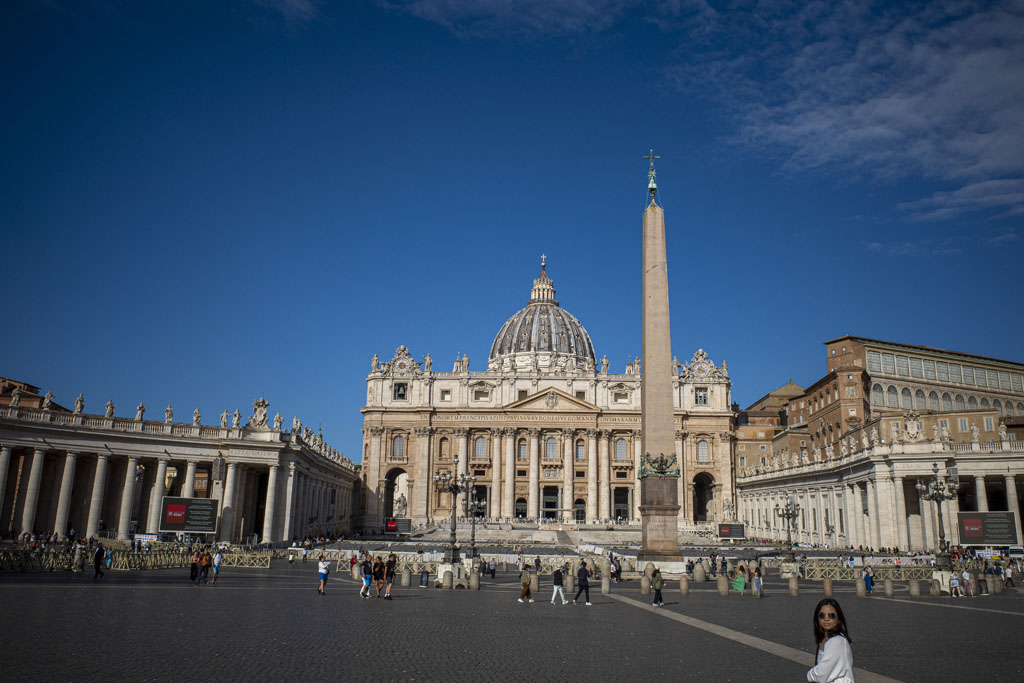
A visit to the Vatican Museums in Rome is far more than an ordinary museum excursion. Within the confines of Vatican City lies an astonishing repository of human ingenuity, artistic brilliance, religious heritage, and archaeological discovery. Collected and preserved across successive centuries, these treasures span ancient civilizations, Renaissance masterpieces, elaborate architectural ensembles, and more recent expressions of artistic vision.
The magnificent ceiling of the Sistine Chapel, painted by Michelangelo, is undoubtedly one of the collection’s most celebrated attractions. Equally captivating are the exquisite frescoes of Raphael’s Rooms, the grandiose Gallery of Maps, and the remarkable sculptures that have survived from the classical world. Together, they tell a compelling story of artistic ambition, intellectual curiosity, and cultural transformation.
Yet there is a common misconception among visitors: the Vatican Museums are not simply a passageway leading to the Sistine Chapel. Their collections encompass ancient Egyptian relics, Greek and Roman statuary, Renaissance paintings, intricately woven tapestries, historical cartography, and artistic traditions originating in numerous cultures.
With so much to discover, thoughtful preparation can make an enormous difference. A little advance planning helps you navigate the extensive galleries, avoid unnecessary complications, identify lesser-known masterpieces, and appreciate the collections without turning your visit into an exhausting race against the clock.
Whether you are an enthusiastic art lover, a student of history, a first-time visitor to Rome, or a traveler who prefers a leisurely pace, this guide will help you organize a memorable and rewarding exploration of the Vatican Museums.
1. What Makes the Vatican Museums So Remarkable?
The Vatican Museums rank among the world’s most distinguished museum complexes. Their extraordinary holdings reflect centuries of collecting, artistic patronage, scholarly investigation, and preservation under successive popes and other influential patrons.
What began as papal collections gradually expanded into an extensive cultural institution. Today, visitors can wander through interconnected galleries, magnificent courtyards, decorated chambers, chapels, and exhibition spaces that encompass everything from ancient civilizations to modern artistic experimentation.
One of the most intriguing aspects of the experience is the remarkable diversity of its collections. A visitor might contemplate an ancient Roman statue in one gallery, then encounter an elaborately ornamented Renaissance interior only minutes later. Each transition introduces another period, artistic philosophy, or cultural tradition.
The architecture itself deserves close attention. Ornamental ceilings, imposing staircases, decorative flooring, and meticulously executed architectural details frequently compete for attention with the artworks displayed throughout the buildings. Looking upward and beyond the most obvious exhibits can reveal details that hurried visitors overlook.
A useful insider tip: Resist the temptation to rush directly toward the Sistine Chapel. The intervening galleries contain numerous artistic treasures, and some of the most satisfying discoveries occur in rooms that visitors traverse without pausing.
Before your excursion, consult the official Vatican Museums website for collection descriptions, visitor regulations, opening schedules, ticket arrangements, and booking information.
2. The Sistine Chapel: Michelangelo’s Monumental Achievement
For countless travelers, the Sistine Chapel represents the principal attraction of the Vatican Museums. Its celebrated ceiling and imposing altar-wall fresco, The Last Judgment, occupy an exceptional place in the history of Western art.
Michelangelo undertook the ambitious ceiling commission between 1508 and 1512. The resulting composition transforms the chapel’s upper reaches into a sweeping visual account of biblical history. Among its central panels are scenes from Genesis, including the celebrated Creation of Adam, in which the nearly touching hands of God and Adam create one of art history’s most recognizable images.
Michelangelo returned to the chapel decades later to execute The Last Judgment, completing the immense fresco in 1541. Positioned above the altar, this dramatic composition portrays Christ presiding over the resurrection of the dead, with the saved and the condemned caught within a turbulent arrangement of human figures.
Photographs cannot adequately convey the scale of the chapel or the intricate detail distributed across its painted surfaces. Standing beneath the ceiling offers an entirely different perspective from viewing reproductions in books or on a screen.
Details Worth Observing
Rather than attempting to interpret every figure, concentrate on a few particularly significant elements:
- The Creation of Adam: Examine the small interval separating the outstretched fingers of God and Adam. The gesture conveys an extraordinary sense of anticipation.
- The central ceiling panels: Follow the sequence of biblical episodes to understand how Michelangelo constructed the overarching narrative.
- The surrounding figures: Notice how painted bodies, decorative elements, and architectural divisions contribute to the composition.
- The Last Judgment: Observe the powerful movement of the figures and the way their arrangement directs attention toward Christ at the center.
Remember that photography and video recording are prohibited inside the Sistine Chapel. Visitors must also observe the requirement for silence, respecting the chapel’s continuing religious significance.
Insider advice: Familiarize yourself with the principal frescoes before entering. Knowing something about the imagery beforehand allows you to concentrate on the artwork itself rather than repeatedly consulting your phone.
Admission to the Sistine Chapel is ordinarily included in the standard Vatican Museums ticket; a separate chapel ticket is not normally required.
3. Raphael’s Rooms: The Intellectual Splendor of the Renaissance
Raphael’s Rooms rank among the most rewarding destinations for admirers of Renaissance painting. These chambers formed part of the papal apartments commissioned under Pope Julius II and were decorated by Raphael and his workshop during the early sixteenth century.
Raphael’s artistic language differs noticeably from Michelangelo’s dramatic intensity. His compositions frequently emphasize proportion, balance, perspective, and the harmonious interaction of human figures. The result is a visual order that invites careful contemplation.
The most celebrated fresco is The School of Athens, an idealized gathering of philosophers and intellectual figures from classical antiquity. Plato and Aristotle occupy the center, surrounded by thinkers representing different branches of knowledge. Monumental architecture frames the assembly, while carefully calculated perspective draws the viewer’s gaze toward its central figures.
The fresco captures a defining feature of Renaissance culture: the renewed fascination with ancient Greek philosophy and its relationship to contemporary intellectual life.
What Should You Look For?
- The School of Athens: Identify Plato and Aristotle at the center and examine how the architectural perspective establishes depth.
- The Disputation of the Holy Sacrament: Consider the relationship between the earthly assembly and the heavenly realm depicted above it.
- The surrounding decoration: Observe how the frescoes interact with the architecture and decorative elements of the rooms.
Insider advice: Give The School of Athens more than a passing glance. Once you recognize the principal figures and understand the composition’s perspective, the painting becomes considerably more engaging.
The official Vatican Museums collection guide offers further information about the different departments, artworks, and exhibition spaces.
4. The Gallery of Maps: A Cartographic Masterpiece
The Gallery of Maps is one of the Vatican Museums’ most visually arresting corridors. Its walls display an extensive sequence of painted maps depicting regions of the Italian peninsula, produced during the late sixteenth century under Pope Gregory XIII.
Cartographer Ignazio Danti and his collaborators helped create this remarkable ensemble, combining geographical knowledge with decorative painting, historical references, and elaborate ornamentation.
For travelers fascinated by geography, exploration, and historical cartography, the gallery offers a welcome alternative to religious imagery and monumental sculpture.
As you proceed along the corridor, compare the representations of different Italian regions. Look for coastlines, mountain ranges, settlements, and the distinctive contours of the peninsula. These maps provide a fascinating glimpse into the ways Renaissance scholars represented and communicated geographical knowledge.
How to Appreciate the Gallery
Do not concentrate exclusively on the richly decorated ceiling. The maps themselves deserve careful scrutiny. Examine the landscape features, the placement of towns, and the visual conventions used to represent different territories.
The gallery also reveals that historical maps served purposes extending well beyond navigation. They could express regional identity, demonstrate political authority, preserve geographical knowledge, and celebrate the ambitions of their patrons.
Insider advice: If architectural photography interests you, pay attention to the corridor’s perspective and decorative details. Personal photography is generally permitted in many museum areas, subject to the applicable regulations. Flash photography is prohibited, and photography is forbidden inside the Sistine Chapel.
5. Ancient Greek and Roman Art: Encounters with the Classical World
Long before the Renaissance, Greek and Roman artists established sculptural traditions that profoundly influenced European art, architecture, and visual culture.
The Vatican Museums preserve an extensive collection of classical antiquities, with the Pio-Clementino Museum and Chiaramonti Museum particularly notable for their sculpture collections.
Among the galleries, visitors encounter statues, portrait busts, mythological figures, and other works that reveal changing conceptions of beauty, authority, physical perfection, and human vulnerability.
The Laocoön Group
The Laocoön Group is among the most celebrated sculptures in the Vatican collections. It depicts the Trojan priest Laocoön and his sons struggling against serpents.
The sculptural composition is remarkable for its physical tension and emotional intensity. Twisting bodies, strained expressions, and intertwined forms convey suffering and desperate resistance rather than tranquil idealization.
Spend a few moments examining how movement passes from one figure to another. The sculpture’s emotional force emerges not from an isolated gesture but from the relationship between the entire group.
The Apollo Belvedere
The Apollo Belvedere is another celebrated work associated with the Pio-Clementino Museum. Long admired for its proportions and elegant pose, the statue became an influential reference point for European artists and scholars studying classical ideals of physical beauty.
Its significance extends beyond its appearance: the sculpture illustrates how ancient artistic traditions continued to shape aesthetic judgments many centuries later.
The Belvedere Torso
The Belvedere Torso is particularly notable for its powerful muscular form and expressive physical presence. Its influence on Renaissance artists, including Michelangelo, demonstrates how the study of ancient sculpture contributed to the development of new artistic approaches.
Insider advice: You do not need to identify every statue or memorize its historical background. Select two or three works that genuinely capture your attention. Examine their poses, proportions, expressions, and physical details, and consider what these features communicate.
The official Vatican Museums collections pages provide additional descriptions for visitors who wish to investigate particular works more thoroughly.
6. The Gregorian Egyptian Museum: Discovering an Ancient Civilization
The Gregorian Egyptian Museum introduces visitors to one of antiquity’s most influential civilizations. Established in the nineteenth century, it houses Egyptian antiquities that include sculptures, funerary objects, inscriptions, and artifacts associated with religious practices and burial traditions.
Egyptian artistic conventions differ in important ways from those of classical Greece and Rome. Figures, symbols, inscriptions, and carefully regulated visual forms frequently communicated religious beliefs, social hierarchy, and ideas about existence beyond death.
The collection also encourages visitors to consider the historical connections between Egypt and the wider Mediterranean world.
What Deserves Your Attention?
Examine the symbolism, materials, and craftsmanship of the objects on display. Many were created for purposes extending far beyond decoration. Funerary objects, for example, could serve religious, ceremonial, or commemorative functions.
For anyone interested in archaeology, the collection offers an opportunity to look beyond the surviving artifact and contemplate the people, customs, and beliefs that gave it meaning.
Insider advice: Read a handful of exhibition labels carefully rather than attempting to absorb every display. Understanding why an object was created, and how it was used, often makes a more lasting impression than memorizing its age alone.
7. The Vatican Pinacoteca: Paintings Beyond the Sistine Chapel
Visitors concentrating exclusively on Michelangelo’s masterpieces sometimes overlook the Vatican Pinacoteca, the complex’s dedicated picture gallery.
Its collection encompasses paintings from different periods of European art history, including works by important Italian masters. Together, these paintings reveal how artistic storytelling evolved through changes in composition, color, technique, and subject matter.
Depending on your interests, you may encounter religious narratives, portraits, and paintings that demonstrate the development of European artistic traditions.
The gallery provides a particularly useful contrast to the enormous frescoes elsewhere in the museums. Here, visitors can examine individual paintings more closely, appreciating details that might disappear within the monumental scale of decorated walls and ceilings.
Why Include the Pinacoteca in Your Itinerary?
First, it offers a different atmosphere from the extensive corridors and imposing ceremonial rooms. Second, its paintings allow visitors to compare the techniques and visual approaches of different artistic periods.
If painting is one of your principal interests, resist treating this gallery as merely an optional passage toward the Sistine Chapel. It deserves attention in its own right.
The Vatican Museums’ online catalogue provides information about selected artworks and collections. Its coverage continues to develop, and the catalogue is primarily available in Italian.
8. The Gallery of Tapestries: The Art of Woven Splendor
Not every masterpiece in the Vatican Museums was created with paint or carved from stone. The Gallery of Tapestries demonstrates the remarkable artistic possibilities of woven textiles.
Historically, tapestries were prestigious possessions requiring considerable skill, time, and material resources. They adorned important interiors, communicated religious narratives, and displayed the wealth and influence of their owners.
The gallery’s monumental textiles feature intricate scenes, elaborate compositions, and a wealth of decorative detail. Examine the figures’ expressions, the treatment of clothing, the interplay of colors, and the precision required to translate an artist’s design into woven fabric.
Such works reveal a sophisticated craft that is sometimes overshadowed by the fame of paintings and sculpture.
Insider advice: Avoid viewing each tapestry as a single, indivisible scene. Move your attention toward the borders, garments, facial expressions, and smaller decorative motifs. These details reveal the remarkable patience and technical expertise involved in their creation.
9. The Borgia Apartment: Art, Power, and Papal History
The Borgia Apartment introduces another dimension of Vatican history, connecting artistic achievement with the political and cultural world of Renaissance Italy.
Associated with Pope Alexander VI, whose family name was Borgia, these rooms were decorated by the painter Pinturicchio and his workshop. Their frescoes combine religious subjects, elaborate ornamentation, and symbolic imagery.
The rooms are significant not only for their artistic qualities but also for their association with the ambitions, influence, and controversies surrounding the papacy during the Renaissance.
The Borgia family remains one of the most recognizable dynasties in Italian history, surrounded by generations of historical interpretation and popular storytelling.
The apartment provides a useful reminder that the Vatican Museums are more than a repository of isolated masterpieces. They also preserve spaces connected with the lives, tastes, and ambitions of historical personalities.
Insider advice: Look beyond the principal frescoes. Examine the decorative motifs and surrounding details, which may reveal additional layers of meaning within these richly ornamented interiors.
10. Modern and Contemporary Art: An Unexpected Dimension
Many visitors are surprised to discover that the Vatican Museums extend well beyond classical antiquity and the Renaissance.
The Collection of Modern and Contemporary Art includes works by artists from the nineteenth century onward, broadening the historical scope of the museums and demonstrating that artistic expression did not end with the great Renaissance masters.
These works explore religious subjects, spirituality, human experience, and experimentation with new visual languages.
For travelers who assume that the Vatican Museums are devoted exclusively to ancient artifacts and traditional religious painting, this collection can provide an unexpected perspective.
It also invites comparisons between artistic approaches. Renaissance painters frequently worked within established representational conventions, whereas modern artists explored new forms, materials, techniques, and interpretations of familiar themes.
Insider advice: If modern art appeals to you, consult the official collections guide before your visit. Allow time for this section rather than automatically allocating every available minute to the most famous Renaissance rooms.
11. Lesser-Known Treasures: Finding a More Rewarding Museum Experience
The Vatican Museums are celebrated for their monumental attractions, yet some of the most memorable moments emerge when visitors slow down and look beyond the obvious highlights.
A hidden gem need not be an obscure masterpiece. It may be a small decorative detail, a quieter room, or an unexpected connection between artistic periods.
Here are several ways to enrich your visit.
Look Above Eye Level
Painted ceilings, sculpted decorations, and elaborate architectural ornamentation adorn many of the museum’s rooms. These features frequently deserve as much attention as the paintings displayed at eye level.
Look upward occasionally. You may discover carefully composed scenes, intricate decorative patterns, and artistic flourishes that hurried visitors never notice.
Pause in the Courtyards
The museum complex contains courtyards that provide welcome changes of atmosphere between exhibition spaces. The Courtyard of the Pinecone is a useful orientation point and an appealing place to pause during your exploration.
Whenever possible, use these intervals to rest, collect your thoughts, and prepare for the next group of galleries.
Examine Ancient Inscriptions
The Lapidary Gallery and other collections of inscriptions preserve traces of how ancient societies recorded names, public achievements, religious beliefs, and significant events.
Even a brief inscription can establish a surprisingly intimate connection with someone who lived many centuries ago. These fragments of written history offer a different perspective from monumental statues and grand paintings.
Compare Different Artistic Periods
One rewarding approach is to observe how artistic ideas evolve across the museum complex. Compare the idealized bodies of classical sculpture with the expressive religious imagery of Renaissance painting. Then consider how modern artists reinterpret related themes through different materials and visual techniques.
Such comparisons transform the visit from a succession of isolated displays into a broader exploration of human creativity.
Use the Museum Map
Download the official Vatican Museums map before arriving. It helps identify major collections, courtyards, visitor facilities, and useful orientation points.
A map is particularly valuable when you want to prioritize a handful of exhibitions rather than attempt to visit every gallery.
The most effective strategy: Choose the artworks and collections that genuinely interest you. A few carefully observed sculptures or an unexpected discovery may remain in your memory far longer than dozens of exhibits passed in haste.
12. Buying Vatican Museums Tickets Online
Securing admission in advance is one of the most important steps when organizing a Vatican Museums visit, particularly during busy travel periods.
The official online ticket office is:
https://tickets.museivaticani.va
Use this address to reach the Vatican Museums’ official booking portal. Be cautious with websites that imitate official branding or use confusingly similar domain names. Third-party operators may legitimately offer guided experiences, but their prices, inclusions, and booking conditions can differ.
A Step-by-Step Booking Guide
- Open the official ticket portal. Visit the address above rather than relying on an unfamiliar search result.
- Select your admission or tour. Choose the appropriate ticket category and available experience.
- Choose a date and entry time. Review the options offered for your intended visit.
- Provide the requested details. Follow the booking instructions and enter the information required.
- Examine the total price. Confirm whether the ticket includes a guided tour, additional services, or reservation fees.
- Complete your payment. Use the payment methods provided by the official website.
- Save your confirmation. Keep your booking details and ticket accessible on your phone, or print them if the instructions recommend doing so.
Availability varies by date, and popular entry times can sell out. Once your Rome itinerary is reasonably settled, booking early is a sensible precaution.
How Much Do Vatican Museums Tickets Cost?
The standard tariff information cited for this guide lists the following prices:
| Ticket category | Published price |
|---|---|
| Full-price admission without online booking | €20 |
| Full-price admission with online booking | €25 |
| Reduced admission without online booking | €10 |
| Reduced admission with online booking | €15 |
These figures reflect the published tariff described in the source material and include a €5 online reservation fee for the standard full-price and reduced tickets. They should not be treated as guaranteed current prices. Check the official Prices and Tickets page before making a purchase.
Reduced admission is available only to visitors who satisfy the museum’s eligibility requirements. Do not assume that every student, senior, or international traveler qualifies for a discount.
The standard Vatican Museums admission ticket ordinarily covers both the museums and the Sistine Chapel on the date specified. Tickets are generally non-refundable under the published conditions, so check the terms carefully before confirming payment.
Is Skip-the-Line Admission Worth the Extra Cost?
An advance reservation can be particularly useful if your time in Rome is limited or you prefer not to depend on the availability of walk-up tickets.
Nevertheless, skip-the-line admission does not eliminate every queue. Security screening remains necessary, and visitors must follow the instructions of museum staff.
A guided tour may justify its additional cost if you value expert interpretation of the artworks and their historical background. Before purchasing, compare the tour’s duration, language, group size, meeting point, and included attractions.
13. When Is the Best Time to Visit the Vatican Museums?
Timing can substantially influence the character of your visit. A carefully chosen entry slot may help you organize the day, although no particular time guarantees uncrowded galleries.
The opening schedule cited in the source material lists these general hours:
| Day | Published opening hours | Final entry |
|---|---|---|
| Monday–Saturday | 8:00 a.m.–8:00 p.m. | 6:00 p.m. |
| Last Sunday of the month, when open | 9:00 a.m.–2:00 p.m. | 12:30 p.m. |
Opening times, final-entry rules, and scheduled closures may change. Always consult the official calendar for your specific date rather than relying exclusively on a general timetable.
Morning Visits
An early entry time is a practical choice for travelers who want to devote a substantial part of the day to the museums.
Beginning in the morning also leaves more flexibility for lunch, rest, or another activity later. However, early admission does not guarantee that the galleries will be quiet, especially during popular travel periods.
Afternoon Visits
An afternoon appointment may suit travelers who prefer a leisurely morning or want to arrange their sightseeing across several days.
The main consideration is the amount of time remaining before closing. Arriving late can leave you hurrying through collections that deserve a more thoughtful examination.
Free Admission on the Last Sunday
The museums generally offer free admission on the last Sunday of the month when they are scheduled to open. These visits have shorter operating hours and can attract substantial crowds.
Free entry may appeal to budget-conscious visitors, but it is not necessarily the best option for those seeking a relaxed experience.
If your priority is to explore the galleries without feeling hurried, compare the advantages of free admission with the potential disadvantages of heavier visitor numbers. Confirm the relevant date on the official calendar before planning your day around it.
14. How Much Time Should You Allow?
The ideal visit depends on your interests, energy, and preferred pace. There is no need to explore every collection in a single outing.
The following estimates can help you organize your itinerary:
| Visit style | Suggested duration | Main priorities |
|---|---|---|
| Brief introduction | 2–3 hours | Principal galleries and the Sistine Chapel |
| Comfortable first visit | 3–4 hours | Raphael’s Rooms, Gallery of Maps, classical sculpture, Sistine Chapel |
| Art-focused exploration | 4–5 hours or longer | Major masterpieces and additional collections |
| Extensive exploration | Half a day or more | A broader selection of galleries, with breaks |
These durations are practical planning estimates rather than official visit times. Actual requirements depend on crowd levels, the available visitor route, walking speed, and how long you wish to spend with individual works.
For travelers who prefer a leisurely experience, allowing at least three to four hours is a sensible starting point.
The museum complex is extensive, and prolonged walking through crowded corridors can be tiring. A thoughtfully selected itinerary is often more satisfying than attempting to cover every exhibition.
Remember that the purpose of your visit is not to collect the greatest possible number of sights. It is to appreciate the art, history, and atmosphere that make the Vatican Museums extraordinary.
15. Practical Advice for a Comfortable Visit
A little preparation can prevent several common difficulties and make the day considerably more enjoyable.
Observe the Dress Code
The Vatican Museums and Sistine Chapel enforce clothing requirements. Under the published rules, garments leaving the shoulders uncovered, shorts above the knee, and miniskirts are not permitted.
Choose comfortable clothing that meets the requirements. If you are uncertain about a particular garment, consult the official visitor guidance before departure.
Wear Comfortable Footwear
You will spend considerable time walking and standing, often on hard surfaces. Supportive, comfortable shoes are far more valuable than fashionable footwear for an excursion lasting several hours.
Avoid assuming that the visit will involve only a short walk between a few masterpieces. The scale of the complex makes suitable footwear essential.
Travel Light
Large bags, suitcases, and certain other belongings must be deposited in the cloakroom. The service is free, but retrieving stored luggage can create complications if you intend to visit St. Peter’s Basilica afterward.
Whenever possible, leave unnecessary belongings at your accommodation and bring only what you need.
Make Time for Rest
Seating and relaxation areas are available at selected points along the visitor route. Use them whenever necessary, especially if you are spending several hours inside the museums.
Refreshment facilities are also available within the complex. Consult the official map to locate visitor services before you begin.
Taking occasional breaks is not wasted time. It allows you to preserve your energy and appreciate the remaining collections rather than becoming increasingly fatigued.
Download Essential Information in Advance
Do not assume that you will have reliable Wi-Fi throughout the exhibition areas. Download your ticket, confirmation, map, and any useful reference material before entering.
Having this information available offline reduces unnecessary distractions and makes navigation easier.
Respect Photography Regulations
Personal photography is permitted in many areas, subject to the applicable restrictions. Flash photography is prohibited, and photography and video recording are forbidden inside the Sistine Chapel.
Always follow posted notices and instructions from museum staff, since individual spaces may have different requirements.
Allow Time for Security
Even visitors with advance reservations must allow time for security screening and finding the correct entrance.
Follow the arrival instructions associated with your booking. Arriving at the last possible moment introduces unnecessary stress, particularly when the surrounding streets are busy.
16. Guided Tour or Independent Exploration?
Both approaches have advantages. The better choice depends on your interests, available time, and preferred way of experiencing art.
The Advantages of a Guided Tour
A knowledgeable guide can explain the stories behind celebrated masterpieces, introduce significant historical personalities, and reveal connections between collections that might otherwise remain obscure.
Guided visits are particularly useful for first-time visitors who want a structured introduction without having to research every major work independently.
A well-organized tour can also help you prioritize the principal highlights when your time is limited.
The Freedom of an Independent Visit
Exploring independently gives you greater control over your day. You can remain longer in galleries that captivate you, pause whenever you need a break, and bypass collections that are less relevant to your interests.
This approach can be especially appealing to visitors who enjoy photography, detailed observation, or an unhurried exploration of historical settings.
A Combination of Both Approaches
There is also a useful middle ground: study a concise overview before arriving, use an audio guide where appropriate, and then explore the galleries independently.
This provides some historical context without committing you to the pace of a group.
Before booking a guided experience, verify its language, duration, price, group size, meeting point, and precise inclusions. Some tours cover only the Vatican Museums and Sistine Chapel, while others advertise additional attractions.
The official Vatican Museums’ tour information provides details about the available visitor experiences.
17. Can You Visit St. Peter’s Basilica Afterward?
Many visitors hope to explore both the Vatican Museums and St. Peter’s Basilica during the same day. Although this may be possible, the two attractions should be treated as distinct destinations when planning your itinerary.
A Vatican Museums ticket does not automatically grant admission to every other Vatican site.
Access arrangements, security procedures, religious services, special events, and queues can affect the practicalities of visiting both locations. The route between the museums and the basilica may also depend on the type of visit booked and the access arrangements in force.
If both attractions are important to you, consult the official information for each site before making your plans. Leave sufficient time for security checks, walking, and unexpected delays.
For a more relaxed experience, consider visiting the museums on one day and St. Peter’s Basilica on another. Separating the two allows you to appreciate the museums’ artistic treasures and the basilica’s remarkable architecture without feeling compelled to rush.
18. Official Vatican Museums Resources to Bookmark
Reliable information is essential when planning your visit. The following official resources are useful starting points.
Vatican Museums — Main Website
Consult the main website for institutional information, collections, exhibitions, visitor services, and practical guidance.
Official Online Ticket Office
https://tickets.museivaticani.va/
Use the official booking portal to review admission options, available dates, entry times, and ticket conditions.
Opening Hours and Visitor Information
Navigate to the visitor information and opening calendar sections to check operating hours, final admission times, and scheduled closures.
Prices and Tickets
Consult the official prices and tickets information to confirm admission costs, booking fees, reduced-ticket eligibility, and applicable free-entry arrangements.
Official Museum Map
Look for the current museum map in the visitor information section. Downloading it before arrival can help you plan your route and identify visitor facilities.
Visitor Advice
Review the official guidance on clothing, photography, luggage, accessibility, and facilities before departing for the museums.
Online Collections Catalogue
Explore the collections and available artwork descriptions to familiarize yourself with particular masterpieces before your visit or investigate them afterward.
Because individual pages, prices, and schedules may change, use the official website as your final reference when making practical arrangements.
Conclusion: Creating a Memorable Vatican Museums Experience
Planning a visit to the Vatican Museums involves considerably more than obtaining a ticket to see the Sistine Chapel. It opens the door to an extraordinary panorama of human creativity, from ancient Egyptian artifacts and classical sculpture to Raphael’s frescoes, Renaissance cartography, elaborate tapestries, and modern artistic expression.
The key to a rewarding experience is thoughtful preparation. Reserve your admission through the official ticket office, verify opening times and visitor regulations, and decide which collections deserve the greatest share of your attention.
Most importantly, resist the temptation to see everything. The museums are extensive, and attempting to race through every corridor can diminish the pleasure of encountering their greatest treasures.
Instead, allow yourself time to observe the details, rest in the courtyards, compare artistic traditions, and reflect on the historical stories embodied in the collections. A few carefully chosen highlights, explored with curiosity and patience, can prove far more satisfying than an exhausting checklist of attractions.
Whether you are captivated by Michelangelo’s monumental frescoes, intrigued by ancient civilizations, fascinated by Renaissance philosophy, or simply curious about the cultural heritage preserved within Vatican City, the museums offer countless opportunities for discovery.
With realistic expectations, a comfortable pace, and a little advance planning, your visit can become one of the most enriching and memorable experiences of your time in Rome.
Please bookmark us now press: ctrl+d and visit again soon for more fascinating travel destinations! Here some recommended links selected for you: The Best Books of the Month, Todays best Deals at Amazon, Best Sellers in Cell Phones & Accessories and last but not least the easy and great way to send a gift for the holidays: Amazon.com eGift Card (Instant Email or Text Delivery).
A selection of Nature images, wildlife, flora and landscape stock photos, to see many more images and to license our stock photos please see our complete collection of our wildlife, flora and landscape stock images here at Alamy.
Introducing our captivating photo book showcasing the mesmerizing flora and fauna of Panama! Dive into the vibrant world of biodiversity with stunning imagery capturing the essence of Panama’s natural wonders. From majestic birds to elusive wildlife and breathtaking landscapes, this book is a visual feast for nature enthusiasts.
Don’t miss your chance to own a piece of Panama’s natural heritage. Order your copy here at Amazon now and embark on a visual journey through the enchanting landscapes and fascinating wildlife of Panama!
Comments are closed