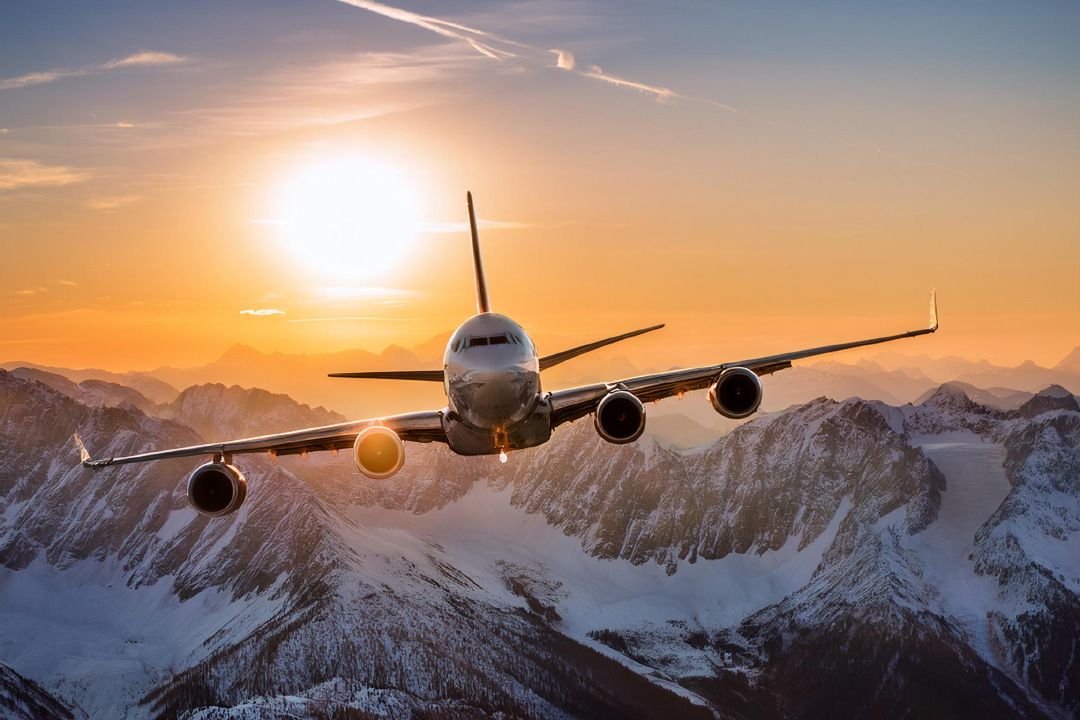
Imagine standing beside a quiet Arctic fjord at one o’clock in the morning. The mountains are glowing orange and pink, the sea is almost perfectly still, birds are calling from the cliffs, and the sun is hovering just above the horizon.
You look at your watch.
1:00 AM.
Yet it looks like sunset.
A few hours later, the same sun is still there.
This is the midnight sun in Norway, one of the most extraordinary natural phenomena on Earth. Above the Arctic Circle, summer can transform night into a continuous golden day, creating an experience that feels almost unreal.
For photographers, hikers, wildlife enthusiasts, road trippers, kayakers, and travelers who prefer spectacular nature over crowded tourist attractions, Northern Norway in summer is an extraordinary destination.
The official tourism organization Visit Norway – Official Travel Guide provides extensive information about destinations, activities, transportation, accommodation, and seasonal travel throughout the country.
So, what is it really like to chase the midnight sun? Where should you go? When is the best time? And how can you make the most of those seemingly endless Arctic days?
Let’s explore.
What Is the Midnight Sun?
The midnight sun is a natural phenomenon in which the sun remains above the horizon at midnight.
It happens because Earth’s axis is tilted approximately 23.5 degrees. During the Northern Hemisphere’s summer, the North Pole tilts toward the sun. As Earth rotates, areas north of the Arctic Circle remain illuminated instead of passing into darkness.
The result is extraordinary: the sun can remain visible for 24 hours a day.
The farther north you travel, the longer the period lasts.
According to Visit Norway’s official midnight sun guide, the phenomenon can be experienced at different times depending on your location.
For example:
- Arctic Circle: approximately June 12 to July 1
- Bodø: approximately June 4 to July 8
- Lofoten: approximately May 28 to July 14
- Tromsø: approximately May 20 to July 22
- North Cape: approximately May 14 to July 29
- Svalbard: approximately April 20 to August 22
These dates can vary slightly depending on the precise location and definition used, but they provide a useful guide.
And there is an important point for travelers: you don’t necessarily have to stay awake at midnight to experience the magic.
Even outside the exact midnight-sun period, Northern Norway enjoys remarkably long, bright summer evenings.
Why Norway Is One of the Best Places to Experience It
Several countries lie within the Arctic region, but Norway has an exceptional combination of dramatic landscapes, excellent infrastructure, accessible Arctic communities, fjords, islands, mountains, wildlife, and scenic roads.
You can potentially combine several completely different experiences during one journey:
Hike through mountains in the evening.
Photograph seabirds at midnight.
Take a boat across a fjord at 11 PM.
Go kayaking at 1 AM.
Watch the sun skim the horizon at 2 AM.
And then, if you’re still awake, have breakfast.
The official tourism organization highlights activities including hiking, cycling, kayaking, fishing, beach visits, cruises, and wildlife experiences beneath the midnight sun. (Visita Noruega)
This is one of the reasons a Norway summer adventure can feel completely different from an ordinary vacation.
Your relationship with time changes.
There is no urgent need to finish your hike before sunset.
There is no need to rush back to your hotel because darkness is approaching.
When the weather is good, you can simply keep exploring.
When Is the Best Time to Chase the Midnight Sun?
The answer depends on what you want from your trip.
If your primary goal is to experience the true midnight sun, travel between roughly late May and late July in Northern Norway.
June is particularly appealing because it combines long daylight hours with the heart of the midnight-sun season.
July can also be excellent, although some popular destinations can become busier.
For travelers who prefer fewer crowds, the shoulder periods around the main summer season can be especially attractive.
Visit Norway notes that Northern Norway’s summer weather can be unpredictable. Temperatures can occasionally reach 25°C or higher, but you can also experience cold, rain, wind, and rapidly changing conditions. (Visita Noruega)
This is important.
Don’t travel to the Arctic expecting guaranteed sunshine simply because it is summer.
Instead, embrace the northern philosophy:
If the weather changes, change your plans.
A rainy afternoon can become a spectacular evening when the clouds begin to break and the low sun illuminates the landscape.
Lofoten: Mountains, Beaches and Golden Arctic Light
Few places illustrate the magic of the midnight sun better than the Lofoten Islands.
Imagine sharp mountains rising directly from the sea, colorful fishing villages, white beaches, turquoise water, traditional red cabins and narrow roads winding through an extraordinary Arctic landscape.
Then add the midnight sun.
Suddenly, the scenery becomes almost surreal.
The Lofoten Islands experience the midnight sun approximately from May 28 to July 14, according to Visit Norway. (Visita Noruega)
For photographers, this creates an extraordinary opportunity.
Instead of waiting for sunrise at 5 AM and sunset at 10 PM, you can photograph beautiful low-angle light at unusual hours.
A beach that would normally be crowded during the afternoon might be almost empty late at night.
A mountain reflected in calm water at midnight can look completely different from the same mountain at noon.
For a traveler who enjoys slow travel and photography, Lofoten is therefore much more than a sightseeing destination.
It becomes a place to slow down and observe.
Tromsø: The Arctic Gateway
Tromsø is often called the Gateway to the Arctic, and it is one of the easiest places to begin a Northern Norway adventure.
The city offers restaurants, accommodation, museums, tours, transportation connections and access to surrounding mountains and fjords.
But the real attraction begins when you leave the city.
During the midnight-sun period, you can hike, cycle, kayak, fish or simply drive into the countryside and look for a beautiful viewpoint.
The official tourism information lists Tromsø’s midnight-sun period as approximately May 20 to July 22. (Visita Noruega)
One particularly enjoyable strategy is to treat the late evening as your main outdoor period.
Instead of hiking at noon when the sun is relatively high, start your adventure around 9 or 10 PM.
As midnight approaches, the light becomes increasingly atmospheric.
This is also a fantastic region for wildlife photography and marine excursions, particularly when combined with the surrounding islands and fjords.
If you want spectacular scenery but would rather escape some of the better-known tourist hotspots, consider Senja.
Senja is sometimes described as a quieter alternative to Lofoten, although its popularity has grown considerably.
The island offers dramatic mountains, fjords, beaches and scenic viewpoints.
Under the midnight sun, the landscape becomes especially photogenic.
One of the great advantages of traveling in places such as Senja is that you don’t have to follow a conventional sightseeing schedule.
A viewpoint doesn’t have to be visited at 10 AM.
A mountain doesn’t have to be photographed at sunset.
You can choose your own rhythm.
Midnight can become your golden hour.
Visit Norway includes Senja among its recommended destinations above the Arctic Circle and highlights late-night summer hiking as one of the region’s experiences. (Visita Noruega)
Vesterålen: A Paradise for Nature Lovers
The Vesterålen archipelago lies north of Lofoten and offers another outstanding destination for travelers interested in nature and wildlife.
The area includes dramatic coastlines, mountains, islands, beaches and fishing communities.
Andøya, in particular, is known for its spectacular scenery and access to marine wildlife experiences.
The midnight-sun period around Vesterålen is approximately May 22 to July 21. (Visita Noruega)
This makes it possible to combine wildlife excursions with long evening photography sessions.
For someone carrying a camera, the Arctic summer is particularly exciting because the light can remain soft and directional for hours.
Rather than a short golden hour, you can sometimes experience an extended sequence of warm evening, sunset-like, and early-morning light.
The North Cape: Standing at the Edge of Europe
Few destinations have the symbolic appeal of Nordkapp, or the North Cape.
Located in Finnmark, it is one of Europe’s most famous northern landmarks and a classic destination for travelers chasing the midnight sun.
The official Visit Norway information gives the North Cape a midnight-sun period of approximately May 14 to July 29. (Visita Noruega)
Standing near the famous globe monument while the Arctic Ocean stretches toward the horizon is an unforgettable experience.
But don’t make the mistake of thinking the North Cape is the only interesting place in Finnmark.
The wider region offers enormous landscapes, islands, fjords, fishing communities, Sami cultural experiences and remarkable birdlife.
For travelers who enjoy getting away from crowded attractions, the surrounding countryside can be just as rewarding as the famous viewpoint.
Finnmark: The Far North at Its Wildest
Finnmark is where Norway begins to feel genuinely remote.
It is enormous, sparsely populated and characterized by open tundra, rugged coastlines, mountains, islands, fjords and vast skies.
Visit Norway highlights the Varanger region for birdwatching and Finnmarksvidda as Norway’s largest mountain plateau. The region also has deep connections with Sami culture. (Visita Noruega)
For wildlife photographers, Finnmark can be particularly fascinating.
The Varanger Peninsula is renowned among birdwatchers for Arctic and northern bird species.
Imagine sitting quietly beside the coast late in the evening while the sun remains low over the horizon and seabirds continue their activities.
That is the kind of experience that makes the midnight sun more than a sightseeing attraction.
It becomes an immersion in Arctic nature.
Svalbard: The Ultimate Midnight-Sun Experience
If you want to take the concept to its extreme, head much farther north to Svalbard.
This Arctic archipelago is located between mainland Norway and the North Pole and experiences an exceptionally long period of continuous daylight.
According to Visit Norway, the midnight sun lasts approximately from April 20 to August 22 in Svalbard. (Visita Noruega)
That is more than four months.
Svalbard is not simply “Northern Norway turned up to eleven.” It is a genuinely different Arctic environment.
Glaciers, barren mountains, enormous valleys and polar landscapes dominate the scenery.
Longyearbyen serves as the main settlement and starting point for many activities.
Because of the Arctic environment and wildlife considerations, visitors should follow local regulations and use experienced guides for excursions into the wilderness.
The reward is extraordinary scenery and an opportunity to experience an environment unlike almost anywhere else on Earth.
What Can You Do Under the Midnight Sun?
The great thing about the midnight sun is that ordinary activities suddenly become extraordinary.
Midnight hiking
A hike at midnight sounds strange until you try it.
The sun is low, the air is often cooler, and the landscape can be remarkably quiet.
The long shadows and warm light are also excellent for photography.
Midnight kayaking
Imagine paddling across perfectly calm Arctic water while mountains rise around you.
Visit Norway describes midnight kayaking as one of the experiences that can take on a completely different character under the Arctic light. (Visita Noruega)
For photographers, a waterproof camera bag is essential.
Fishing at midnight
Fishing is deeply connected to life along the Norwegian coast.
During the midnight-sun season, you can fish long after conventional bedtime.
There is something wonderfully relaxing about sitting beside an Arctic fjord at midnight and realizing that you have no reason to go home yet.
Cycling
The endless daylight is perfect for cycling.
You can ride scenic coastal roads late into the evening without worrying about darkness.
For slow travelers, this is one of the best ways to experience the landscape.
Wildlife watching
Northern Norway’s coastline and islands support remarkable marine and birdlife.
Depending on location and season, guided excursions can provide opportunities to see whales, seabirds, seals and other wildlife.
Always follow local wildlife guidelines and keep an appropriate distance from animals.
Midnight beach visits
Norway isn’t usually the first country people associate with tropical beaches.
Yet Northern Norway has some surprisingly beautiful sandy beaches.
White sand, turquoise water, dramatic mountains and Arctic light can create scenes that look almost tropical—until you remember that the water temperature is decidedly northern.
Why the Midnight Sun Is a Photographer’s Dream
For photographers, the midnight sun in Norway is almost unfair.
Normally, photographers have a limited window around sunrise and sunset when the sun is low enough to produce warm, directional light.
In Northern Norway, the low summer sun can remain near the horizon for hours.
That means more opportunities for:
- Landscape photography
- Wildlife photography
- Seascape photography
- Mountain photography
- Bird photography
- Travel photography
- Long-exposure photography
- Reflection photography
- Panoramic photography
The low sun can create beautiful shadows across mountains and valleys.
Clouds can become illuminated from below.
Calm fjords can produce spectacular reflections.
And because the light changes slowly, you have time to experiment.
Instead of taking one photograph and moving on, you can stay in the same location for an hour—or several hours—and watch the landscape transform.
The Secret Advantage: You Don’t Have to Follow the Clock
Perhaps the greatest attraction of the midnight sun isn’t the sun itself.
It is the freedom from conventional time.
Imagine waking naturally at 9 AM, having breakfast, exploring for several hours, taking a break in the afternoon, and then heading outdoors again at 9 PM.
You can hike at 11 PM.
Have dinner at midnight.
Take photographs at 1 AM.
Return to your accommodation at 3 AM.
And sleep when your body tells you it is time.
Visit Norway describes this distinctive Arctic summer lifestyle as a kind of “state of mind,” with locals taking advantage of the endless daylight for outdoor activities and social life. (Visita Noruega)
This is particularly appealing to slow travelers.
There is no reason to race from one attraction to another.
You can spend an entire evening beside one fjord.
You can stop whenever the light becomes beautiful.
You can take a long coffee break.
You can simply sit and watch.
How to Sleep When the Sun Never Sets
There is one potential problem.
Your body knows it is nighttime.
Your eyes disagree.
The solution is surprisingly simple: make your accommodation dark.
Bring or use:
- A comfortable eye mask
- Blackout curtains
- Earplugs if needed
- A regular sleep schedule
- A quiet, cool bedroom
Don’t underestimate this.
After several days of midnight sun, you may find yourself thinking, “I’ll just stay outside for another hour.”
Three hours later, you’re still outside.
That’s part of the magic—but eventually you need sleep.
What Should You Pack for Northern Norway in Summer?
Never pack exclusively for warm weather.
Northern Norway can experience surprisingly pleasant summer temperatures, but conditions can change quickly. Visit Norway specifically recommends being prepared for variable weather, including rain, wind and cooler conditions. (Visita Noruega)
A practical packing list includes:
Waterproof jacket: Essential for unpredictable weather.
Warm fleece or sweater: Useful when temperatures drop.
Layered clothing: Much more versatile than one heavy jacket.
Water-resistant hiking shoes: Particularly important for trails.
Lightweight trousers: Useful for hiking and outdoor activities.
Hat and gloves: They may seem unnecessary in summer, but Arctic weather can surprise you.
Sunglasses: Extremely useful during bright nights.
Eye mask: Almost essential for sleeping.
Camera equipment: Northern Norway is a photographer’s paradise.
Extra batteries: Cold temperatures and long photography sessions can drain batteries.
Power bank: Particularly useful during long excursions.
How to Plan a Midnight-Sun Road Trip
A road trip is one of the best ways to experience Northern Norway because it gives you flexibility.
Instead of rushing between destinations during daylight hours, you can drive when the light is beautiful and stop whenever something catches your attention.
A possible route might include:
Tromsø → Senja → Vesterålen → Lofoten → mainland Northern Norway
Another adventure could continue much farther north toward Alta and the North Cape.
The important thing is not to put too many destinations into one itinerary.
Northern Norway is vast.
Distances can be deceptive because mountains, fjords, ferries and winding roads slow travel down.
A better approach is to choose a handful of places and spend several nights in each.
That gives you time to wait for good weather, explore side roads and enjoy the scenery without constantly watching the clock.
Traveling More Sustainably in Northern Norway
The Arctic environment is spectacular but fragile.
Responsible travel matters.
Whenever possible:
- Stay on marked trails.
- Respect wildlife and maintain safe distances.
- Take all rubbish with you.
- Avoid disturbing nesting birds.
- Follow local regulations.
- Support local accommodation and businesses.
- Use public transportation or shared excursions where practical.
- Avoid unnecessary off-road driving.
- Respect local communities and Sami cultural traditions.
The idea is simple:
Leave the landscape as beautiful as you found it.
The midnight sun has been illuminating these landscapes for thousands of years.
Our visit should leave as little impact as possible.
The Best Official Norway Travel Resources
Before planning your adventure, it is worth using official tourism information rather than relying entirely on social-media posts.
Here are some useful resources:
- Visit Norway – Official Travel Guide — The main official tourism website for Norway.
- The Midnight Sun in Norway — Information about dates, destinations and experiences.
- Summer in Northern Norway — Destination ideas, activities and practical information.
- Summer in Norway — Weather and seasonal travel information.
- Northern Norway destinations — Inspiration for exploring the far north.
- Norway month-by-month travel guide — Useful for comparing different times of year.
These resources are particularly useful for checking current travel information, weather considerations, transportation and local activities before departure.
Is the Midnight Sun Really Worth the Journey?
Absolutely.
But perhaps not for the reason you initially imagine.
The midnight sun isn’t simply about seeing the sun at midnight.
It is about experiencing a completely different relationship with daylight, nature and time.
It changes how you travel.
A mountain hike becomes possible at midnight.
A boat trip becomes a golden-hour experience.
A quiet beach becomes a private landscape.
A fishing trip can continue through the night.
A road journey becomes an endless search for the next beautiful viewpoint.
And for photographers, the combination of dramatic landscapes and extraordinarily long golden light can be unforgettable.
Northern Norway also offers something increasingly difficult to find in modern tourism: the feeling that there is still plenty of space to breathe.
A Few Final Tips for Your Midnight-Sun Adventure
If you are planning your first trip, keep these principles in mind.
Don’t try to see everything. Northern Norway is enormous. Choose a region and explore it properly.
Stay flexible. Weather can change quickly.
Get outside late. Some of the best light may appear when other travelers are sleeping.
Book accommodation early for popular destinations. The summer season can be busy.
Bring layers. Arctic summer doesn’t always mean warm weather.
Protect your sleep. Blackout curtains and an eye mask can make a huge difference.
Take your time. The whole point of the midnight sun is that there is no need to rush.
And most importantly:
Look up from the camera occasionally.
It is easy to become obsessed with capturing the perfect photograph. But sometimes the best memory is simply standing beside a fjord at midnight, watching the sun hover over the mountains.
Conclusion: Chasing the Sun Into the Arctic Night
There are many spectacular summer destinations in the world, but chasing the midnight sun in Norway is an adventure unlike almost any other.
Above the Arctic Circle, summer changes the rules. Night becomes daylight. Midnight resembles sunset. Mountains glow long after dinner. Birds continue calling through the night. Boats move across fjords beneath a golden sky.
From Lofoten and Senja to Tromsø, Vesterålen, Finnmark, the North Cape and Svalbard, Norway offers countless ways to experience this extraordinary phenomenon.
And perhaps the most beautiful part is that you don’t have to rush.
You can hike when you want.
Photograph when the light is perfect.
Explore when the roads are quiet.
Sit beside the sea at midnight.
Or simply stop and watch the sun circle the horizon without disappearing.
The midnight sun isn’t just something you see. It is something you experience.
And once you have stood beneath that endless Arctic light, ordinary summer nights may never look quite the same again.
Please bookmark us now press: ctrl+d and visit again soon for more fascinating travel destinations! Here some recommended links selected for you: The Best Books of the Month, Todays best Deals at Amazon, Best Sellers in Cell Phones & Accessories and last but not least the easy and great way to send a gift for the holidays: Amazon.com eGift Card (Instant Email or Text Delivery).
A selection of Nature images, wildlife, flora and landscape stock photos, to see many more images and to license our stock photos please see our complete collection of our wildlife, flora and landscape stock images here at Alamy.
Introducing our captivating photo book showcasing the mesmerizing flora and fauna of Panama! Dive into the vibrant world of biodiversity with stunning imagery capturing the essence of Panama’s natural wonders. From majestic birds to elusive wildlife and breathtaking landscapes, this book is a visual feast for nature enthusiasts.
Don’t miss your chance to own a piece of Panama’s natural heritage. Order your copy here at Amazon now and embark on a visual journey through the enchanting landscapes and fascinating wildlife of Panama!
Comments are closed