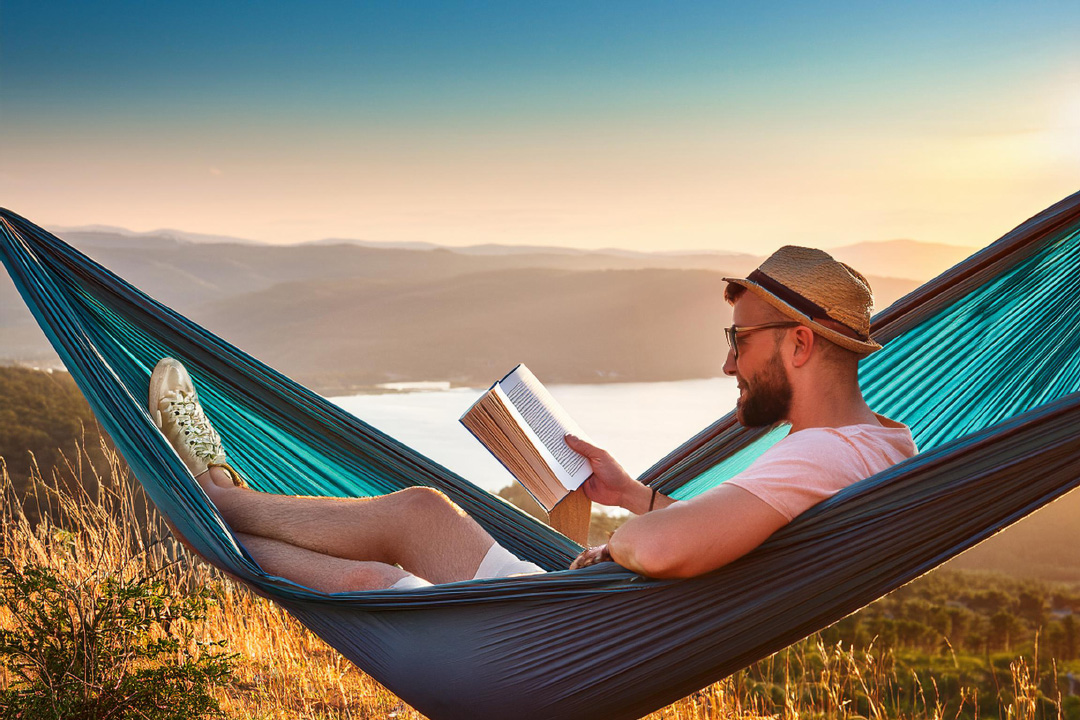
In a world obsessed with speed, efficiency, and “doing it all,” travel has become another race. We rush through airports, tick off bucket lists, snap photos for social media, and move on before we’ve even absorbed where we are. But what if the real magic of travel lies in doing less — and experiencing more?
Welcome to the world of slow travel, a movement that is quietly transforming the way people explore the planet. It’s not about laziness. It’s not about missing out. It’s about depth over distance, connection over consumption, and presence over pressure.
If you’ve ever returned from a vacation feeling like you need another vacation to recover, this guide is for you. Let’s dive deep into why slow travel is the secret to stress-free adventures nobody told you about — and how you can embrace it on your next journey.
What Is Slow Travel? A Modern Answer to Modern Burnout
Slow travel is a philosophy inspired by the broader slow living movement. Instead of rushing from city to city, it encourages travelers to stay longer in one place, immerse themselves in local culture, and move at a relaxed, intentional pace.
This concept evolved from the slow food movement that began in Italy during the 1980s, advocating for quality and authenticity over fast consumption. Today, slow travel applies that same principle to exploration.
It means:
-
Spending a week in one neighborhood instead of five cities
-
Taking trains instead of short-haul flights
-
Shopping at local markets instead of tourist gift shops
-
Getting to know a café owner by name
-
Walking without a strict agenda
It’s not about seeing less — it’s about experiencing more meaningfully.
Why Fast Travel Is Secretly Stressful
Modern travel often mirrors modern life: over-scheduled and overloaded.
You’ve probably experienced it:
-
Early morning flights
-
Back-to-back sightseeing
-
Strict itineraries
-
Long queues
-
Exhaustion masked as excitement
The pressure to maximize every minute can make travel feel like a productivity project instead of a pleasure.
Fast travel leads to:
-
Travel fatigue
-
Decision overload
-
Higher transportation costs
-
Surface-level cultural experiences
-
Emotional burnout
Ironically, the more we try to “make the most” of a trip, the less we actually enjoy it.
Slow travel flips that script entirely.
The Psychology Behind Slow Travel: Why It Feels So Good
There’s real psychology behind why slow travel feels transformative.
When we reduce stimulation and increase presence, our nervous system relaxes. Without constant movement, our brain shifts from survival mode into rest-and-digest mode, reducing stress hormones.
Slow travel encourages:
-
Mindfulness
-
Deeper social connection
-
Sensory awareness
-
Emotional grounding
-
Creativity and reflection
When you stay longer in one place, your brain stops scanning for logistics and starts absorbing experiences.
You’re no longer navigating — you’re living.
The Financial Benefits of Slow Travel
Here’s something many people don’t realize: slow travel can actually be more affordable.
Frequent transport is one of the biggest travel expenses. By staying longer in one location, you reduce:
-
Train and flight costs
-
Luggage fees
-
Taxi and airport transfers
-
Booking fees
Longer stays often mean:
-
Discounts on weekly or monthly accommodations
-
Access to local grocery shopping
-
Lower dining costs
-
Fewer impulse purchases
Instead of constantly paying tourist prices, you begin to live more like a local.
Over time, that makes a significant difference.
Slow Travel and Authentic Cultural Experiences
When you move quickly, you skim. When you stay, you connect.
Imagine spending three days in a city versus three weeks. In three days, you see the highlights. In three weeks, you:
-
Recognize the bakery staff
-
Learn basic phrases in the local language
-
Discover hidden parks
-
Get invited to local events
-
Notice daily rhythms
Authenticity can’t be rushed.
Slow travel allows you to step beyond postcard experiences and into real life. It opens doors that hurried tourists never see.
Environmental Impact: Why Slow Travel Is More Sustainable
Sustainability is becoming increasingly important in travel decisions. Slow travel is naturally eco-friendly.
By reducing flights and favoring trains, buses, cycling, or walking, you lower your carbon footprint significantly.
Choosing local markets and independent businesses supports:
-
Local economies
-
Small family-run operations
-
Sustainable food practices
Less movement means less fuel. Fewer destinations mean fewer resources consumed.
Slow travel is not just good for you — it’s good for the planet.
How to Practice Slow Travel (Even on Short Trips)
You don’t need three months off to embrace slow travel. You simply need a shift in mindset.
Here’s how:
1. Choose Fewer Destinations
Pick one region instead of an entire country.
2. Stay at Least 4–7 Days
This allows you to move beyond “tourist mode.”
3. Leave Free Space in Your Schedule
Don’t fill every hour. Let spontaneity lead.
4. Walk Whenever Possible
Walking reveals layers of a place you’ll never see from a taxi.
5. Visit Local Markets
Markets reflect real daily life far better than souvenir shops.
6. Repeat Favorite Spots
Returning to the same café builds connection.
7. Travel by Train
Consider journeys like those across Switzerland on the scenic routes of the Swiss Federal Railways, where the journey itself becomes part of the experience.
Slow travel isn’t about time — it’s about intention.
The Joy of Long Stays: Living, Not Just Visiting
Staying longer changes everything.
When you rent an apartment for a month, you start developing routines:
-
Morning coffee on the same balcony
-
Evening strolls at sunset
-
Grocery shopping at neighborhood stores
-
Casual conversations with neighbors
The destination becomes familiar. Comfortable. Personal.
This familiarity reduces stress dramatically. You’re no longer constantly adapting — you’re integrating.
That’s the true magic.
Slow Travel for Seniors and Retirees
For retirees especially, slow travel offers a deeply rewarding lifestyle.
Instead of racing across Europe in 10 days, imagine spending a month in:
-
Florence enjoying art and cafés
-
Lisbon exploring neighborhoods at a gentle pace
-
Zurich as a relaxed starting point
This approach:
-
Reduces physical strain
-
Minimizes packing and unpacking
-
Allows medical familiarity if needed
-
Encourages deeper cultural appreciation
It turns travel into an extension of living — not a sprint.
Digital Nomads and the Rise of Slow Travel
With remote work on the rise, slow travel has become a lifestyle.
Digital nomads now:
-
Rent apartments for months
-
Work in local cafés
-
Join community events
-
Build international friendships
Instead of being tourists, they become temporary residents.
This trend reflects a larger cultural shift: people are craving depth, connection, and meaning.
Slow travel delivers exactly that.
The Hidden Emotional Rewards of Moving Slowly
Here’s something no guidebook tells you:
Slow travel changes you.
When you slow down:
-
You listen more
-
You observe more
-
You reflect more
You might discover new passions, reconsider life choices, or simply feel a profound sense of gratitude.
Without constant distraction, your inner voice becomes clearer.
That kind of clarity is rare in everyday life.
Common Myths About Slow Travel (Debunked)
Let’s clear up a few misconceptions.
Myth 1: You See Less
Reality: You experience more deeply.
Myth 2: It’s Only for Long-Term Travelers
Reality: Even a weekend can be slow if approached intentionally.
Myth 3: It’s Boring
Reality: Slowness reveals subtleties fast travel misses.
Myth 4: It’s Unproductive
Reality: Rest and reflection increase creativity and emotional wellbeing.
Slow travel isn’t about limitation — it’s about enrichment.
Creating Your First Slow Travel Itinerary
Here’s a simple example of how to structure a slow trip:
Week 1: Explore your neighborhood, no strict schedule
Week 2: Take one or two day trips
Week 3: Join a local workshop or cooking class
Week 4: Revisit favorite places and deepen connections
Notice what’s missing? Chaos.
A slow itinerary focuses on quality experiences rather than quantity of sights.
The Future of Travel Is Slower Than You Think
The global travel industry is shifting. Travelers are seeking:
-
Authenticity
-
Sustainability
-
Emotional connection
-
Personal transformation
Fast tourism is losing its appeal. Burnout has taught us that constant movement isn’t sustainable.
Slow travel aligns perfectly with the future of conscious exploration.
Conclusion: The Freedom of Going Slow
In a culture that glorifies speed, choosing slowness is quietly revolutionary.
Slow travel isn’t about missing out. It’s about finally tuning in.
It allows you to:
-
Travel without exhaustion
-
Connect without pressure
-
Explore without hurry
-
Return home refreshed instead of depleted
The next time you plan a trip, resist the urge to cram everything in. Choose one place. Stay longer. Walk more. Schedule less.
You might discover that the most extraordinary adventures aren’t found in rushing — but in lingering.
And once you experience the freedom of slow travel, you may never go back to traveling any other way.
Please bookmark us now press: ctrl+d and visit again soon for more fascinating travel destinations! Here some recommended links selected for you: The Best Books of the Month, Todays best Deals at Amazon, Best Sellers in Cell Phones & Accessories and last but not least the easy and great way to send a gift for the holidays: Amazon.com eGift Card (Instant Email or Text Delivery).
A selection of Nature images, wildlife, flora and landscape stock photos, to see many more images and to license our stock photos please see our complete collection of our wildlife, flora and landscape stock images here at Alamy.
Introducing our captivating photo book showcasing the mesmerizing flora and fauna of Panama! Dive into the vibrant world of biodiversity with stunning imagery capturing the essence of Panama’s natural wonders. From majestic birds to elusive wildlife and breathtaking landscapes, this book is a visual feast for nature enthusiasts.
Don’t miss your chance to own a piece of Panama’s natural heritage. Order your copy here at Amazon now and embark on a visual journey through the enchanting landscapes and fascinating wildlife of Panama!
Comments are closed