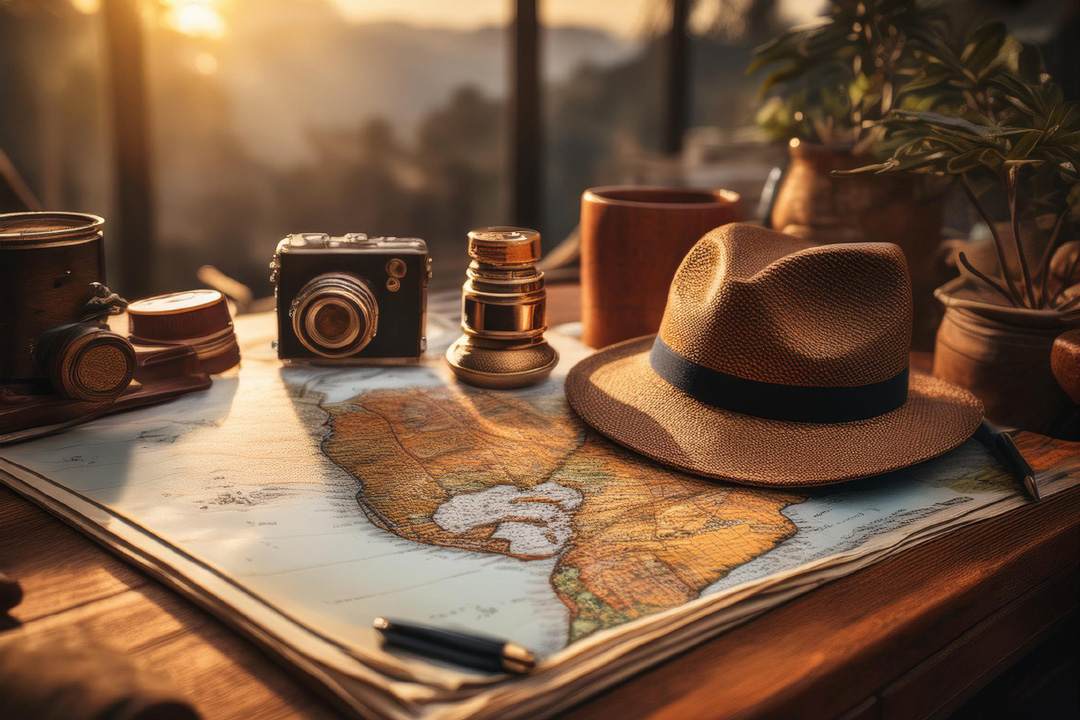
Travel photography is far more than collecting snapshots of famous landmarks. It is about capturing the heart, culture, emotion, and atmosphere of a destination in a way that allows others to experience the journey through your eyes. Every great travel photograph tells a story. It invites viewers to imagine the sounds, smells, and emotions behind the image.
Whether you’re exploring bustling cities, remote rainforests, mountain villages, or pristine beaches, developing your photography skills can transform ordinary vacation photos into memorable visual stories. The difference between a tourist with a camera and a travel storyteller isn’t expensive equipment—it’s vision, patience, creativity, and understanding how to connect with a place.
In this comprehensive guide, you’ll learn professional techniques that will help you create powerful travel images that stand out, whether you’re using a smartphone, mirrorless camera, or DSLR.
Why Storytelling Matters More Than Perfect Photos
Many beginners believe that travel photography is all about technical perfection. Sharp focus, perfect exposure, and expensive lenses certainly help, but they don’t automatically create meaningful photographs.
Professional travel photographers focus on telling stories.
A compelling image often answers several questions:
- Who is involved?
- What is happening?
- Where is this taking place?
- Why is this moment important?
- What emotions does it evoke?
When viewers can answer these questions without reading a caption, you’ve successfully created a visual story.
Instead of photographing only landmarks, include the people interacting with them, the changing weather, or everyday life surrounding the location.
Research Your Destination Before You Arrive
Preparation is one of the biggest differences between amateur and professional photographers.
Before your trip, learn about:
- Local traditions
- Festivals
- Markets
- Historic neighborhoods
- Sunrise and sunset times
- Seasonal weather
- Wildlife opportunities
- Cultural etiquette
Knowing these details helps you anticipate moments instead of reacting to them.
For example, photographing a famous cathedral during a local festival tells a much richer story than capturing the empty building on an ordinary afternoon.
Research also helps you discover hidden gems that most visitors overlook.
The Best Light Makes All the Difference
Light is the foundation of photography.
Professional photographers rarely shoot all day long. Instead, they carefully plan around the best natural light.
Golden Hour
The hour after sunrise and before sunset creates:
- Soft shadows
- Warm colors
- Beautiful skin tones
- Dramatic landscapes
Golden hour adds emotion and depth to almost every subject.
Blue Hour
Just before sunrise and after sunset, the sky takes on deep blue tones that create magical cityscapes and peaceful landscapes.
Blue hour works especially well for:
- City skylines
- Bridges
- Reflections
- Architecture
- Waterfront scenes
Midday
Harsh midday sunlight isn’t ideal, but it works surprisingly well for:
- Colorful markets
- Street scenes
- Tropical beaches
- Dense forests
- Black and white photography
Learning to work with available light is more valuable than buying expensive equipment.
Capture the Human Element
Places become meaningful because of the people who live there.
Adding people creates:
- Scale
- Emotion
- Movement
- Authenticity
Some ideas include photographing:
- Street vendors
- Fishermen
- Craftsmen
- Farmers
- Musicians
- Children playing
- Local celebrations
Always be respectful.
Smile first.
Ask permission whenever appropriate.
Many people appreciate genuine interest and are happy to be photographed.
Natural expressions almost always outperform forced poses.
Think Beyond Famous Landmarks
Every destination has iconic attractions.
The challenge is photographing them differently.
Instead of simply standing in front of a landmark, ask yourself:
- Can I shoot from above?
- Can I frame it through a doorway?
- Can reflections improve the composition?
- Can local people add context?
- Can weather create mood?
Some of the most memorable travel images never show the entire landmark.
Sometimes focusing on details tells a stronger story.
Examples include:
- Ancient stone carvings
- Weathered doors
- Local architecture
- Street signs
- Traditional clothing
- Handmade crafts
Small details often reveal the true character of a destination.
Master Composition Like a Professional
Great composition guides the viewer’s eye naturally through an image.
Several timeless techniques consistently improve photographs.
Rule of Thirds
Imagine dividing your frame into nine equal sections.
Position important elements along these lines or intersections.
This creates balance without making images feel static.
Leading Lines
Roads, rivers, fences, railways, and bridges naturally guide viewers toward your subject.
These lines create depth and visual interest.
Framing
Use windows, arches, cave entrances, trees, or doorways to frame your subject.
Natural frames draw attention exactly where you want it.
Symmetry
Perfect symmetry works beautifully in:
- Architecture
- Reflections
- Temples
- Bridges
- Historic buildings
Centered compositions become especially powerful when symmetry is emphasized.
Learn to Photograph Wildlife While Traveling
Many destinations offer incredible wildlife encounters.
Successful wildlife photography depends more on patience than luck.
Important tips include:
- Stay quiet.
- Observe animal behavior.
- Avoid sudden movements.
- Keep a respectful distance.
- Never feed wildlife.
- Shoot at eye level whenever possible.
Early mornings usually provide the best activity.
Weather also influences behavior.
Cloudy days often produce softer lighting that reveals feather and fur detail more naturally.
Whether photographing hummingbirds in Panama, elephants in Africa, or puffins in Iceland, patience always pays off.
Street Photography Brings Destinations to Life
Street photography captures authentic daily life.
Rather than searching only for beautiful scenes, look for interesting moments.
Watch for:
- Conversations
- Street performers
- Busy intersections
- Bicycle riders
- Rainy sidewalks
- Cafés
- Markets
- Public transportation
Timing is everything.
Sometimes waiting in one location for fifteen minutes produces a stronger image than walking several kilometers.
Observe how people move through the scene.
Anticipation separates professionals from beginners.
Weather Creates Emotion
Many travelers avoid bad weather.
Photographers embrace it.
Rain, fog, snow, storms, and dramatic clouds create atmosphere impossible to replicate on sunny days.
Consider photographing:
- Rain reflections
- Umbrellas
- Misty mountains
- Storm clouds
- Snow-covered villages
- Foggy forests
Weather often becomes the main subject itself.
Some of the world’s most iconic travel photographs were captured during unusual conditions.
Pack Smart Instead of Packing Heavy
Many beginners carry too much equipment.
Professional travel photographers often travel surprisingly light.
A versatile kit might include:
- Camera or smartphone
- Wide-angle lens
- Standard zoom
- Lightweight telephoto
- Extra batteries
- Memory cards
- Microfiber cloth
- Small tripod
- Rain protection
Light gear encourages exploration.
The less weight you carry, the more energy you’ll have to search for unique perspectives.
Tell Complete Stories with Photo Series
A single image can be powerful.
A carefully curated series tells an even richer story.
Instead of taking fifty similar photos of one landmark, capture variety.
Include:
- Wide establishing shot
- Medium environmental scene
- Close-up details
- Portraits
- Local food
- Transportation
- Nature
- Night photography
Together, these images document the complete experience.
Photo essays are especially valuable for blogs, magazines, and travel websites.
Editing Without Overediting
Editing enhances photographs.
It should never overwhelm them.
Focus on subtle improvements:
- Correct exposure
- Improve contrast
- Recover highlights
- Adjust shadows
- Enhance color naturally
- Sharpen carefully
- Remove distractions
Avoid excessive saturation and unrealistic HDR effects.
Natural-looking photographs remain timeless.
Consistency across your editing style also helps build your personal photographic identity.
Ethical Travel Photography
Professional photographers respect people, wildlife, and the environment.
Always remember:
- Ask permission for portraits.
- Respect religious ceremonies.
- Never disturb wildlife.
- Stay on designated trails.
- Leave no trace.
- Support local communities.
- Avoid exploiting vulnerable situations.
Ethics matter just as much as technical skill.
Respect creates trust, and trust often leads to extraordinary photographic opportunities.
Developing Your Own Photography Style
Every famous photographer has a recognizable style.
Finding yours takes time.
Ask yourself:
- Do I love landscapes?
- Am I drawn to portraits?
- Do I enjoy wildlife?
- Do I prefer dramatic weather?
- Am I fascinated by architecture?
- Do I enjoy minimalist compositions?
Review your best work regularly.
Patterns will begin to emerge.
Instead of copying other photographers, learn from them while developing your own creative voice.
Authenticity always stands out.
Common Mistakes Travel Photographers Should Avoid
Even experienced photographers occasionally make these mistakes.
Avoid:
- Photographing only famous landmarks.
- Ignoring local culture.
- Shooting everything from eye level.
- Overediting images.
- Carrying unnecessary gear.
- Rushing through locations.
- Forgetting backup memory cards.
- Neglecting image backups.
- Missing sunrise because of poor planning.
- Failing to interact with local people.
Learning from these mistakes dramatically accelerates improvement.
Building a Travel Photography Portfolio
If you dream of publishing books, selling prints, licensing stock photography, or working with tourism boards, your portfolio matters more than the number of photographs you’ve taken.
Choose only your strongest work.
Quality always beats quantity.
A balanced portfolio includes:
- Landscapes
- Wildlife
- Culture
- Portraits
- Architecture
- Food
- Street photography
- Adventure
- Nature
- Environmental storytelling
Each image should contribute something unique.
Avoid repetitive photographs.
Your portfolio should demonstrate versatility while maintaining a consistent visual style.
Turning Memories into Lasting Stories
Travel photography preserves far more than destinations.
It captures experiences, friendships, emotions, discoveries, and personal growth.
Years later, a meaningful photograph transports you back to the exact moment you pressed the shutter.
The goal isn’t simply documenting where you’ve been.
It’s preserving how those places made you feel.
When viewers connect emotionally with your photographs, you’ve succeeded as a storyteller.
Great travel photography invites people not only to admire beautiful places but to imagine themselves standing there.
Advanced Tips Used by Professional Travel Photographers
Once you’ve mastered the fundamentals, begin incorporating techniques professionals rely on to elevate their work.
Wait for the Decisive Moment
Rather than taking dozens of random photos, observe the scene and anticipate the perfect instant. This might be a cyclist passing through a historic street, a bird taking flight, or a child laughing in a market. Timing often matters more than camera settings.
Use Layers for Depth
Create more immersive images by including foreground, middle ground, and background elements. For example, photograph a mountain landscape through wildflowers or frame a bustling street scene with a doorway. Layering gives viewers the feeling of stepping into the image.
Experiment with Long Exposures
A tripod allows you to blur moving water, smooth ocean waves, or capture light trails from traffic. Long exposures can transform ordinary scenes into artistic photographs while emphasizing movement and atmosphere.
Tell Stories Through Details
Not every memorable image needs a sweeping vista. Close-ups of weathered hands preparing food, colorful spices in a market, intricate architectural carvings, or footprints in the sand often communicate the spirit of a place more effectively than a wide landscape.
Keep a Photography Journal
Professional photographers frequently record where each image was taken, the story behind it, and ideas for future projects. These notes become invaluable when writing blog posts, publishing books, or creating captions that add context to your photographs.
Conclusion
Becoming a professional-quality travel photographer isn’t about owning the newest camera or visiting the most famous destinations. It’s about learning to observe, anticipate, and connect with the world around you. Every journey presents countless opportunities to create meaningful visual stories, whether you’re wandering through vibrant city streets, hiking misty mountain trails, exploring tropical rainforests, or watching wildlife in its natural habitat.
The most memorable travel photographs are those that capture genuine emotion, authentic culture, and the small moments many visitors overlook. By mastering light, composition, storytelling, ethical photography, and thoughtful editing, you’ll create images that inspire others to explore the world while preserving your own adventures for years to come.
Remember, every great travel photographer started as a curious traveler with a camera. With patience, practice, and a willingness to look beyond the obvious, you can transform from simply documenting your trips into creating compelling visual stories that resonate with audiences everywhere. The next time you pack your camera, don’t just aim to collect photos—aim to tell unforgettable stories.
Please bookmark us now press: ctrl+d and visit again soon for more fascinating travel destinations! Here some recommended links selected for you: The Best Books of the Month, Todays best Deals at Amazon, Best Sellers in Cell Phones & Accessories and last but not least the easy and great way to send a gift for the holidays: Amazon.com eGift Card (Instant Email or Text Delivery).
A selection of Nature images, wildlife, flora and landscape stock photos, to see many more images and to license our stock photos please see our complete collection of our wildlife, flora and landscape stock images here at Alamy.
Introducing our captivating photo book showcasing the mesmerizing flora and fauna of Panama! Dive into the vibrant world of biodiversity with stunning imagery capturing the essence of Panama’s natural wonders. From majestic birds to elusive wildlife and breathtaking landscapes, this book is a visual feast for nature enthusiasts.
Don’t miss your chance to own a piece of Panama’s natural heritage. Order your copy here at Amazon now and embark on a visual journey through the enchanting landscapes and fascinating wildlife of Panama!
Comments are closed