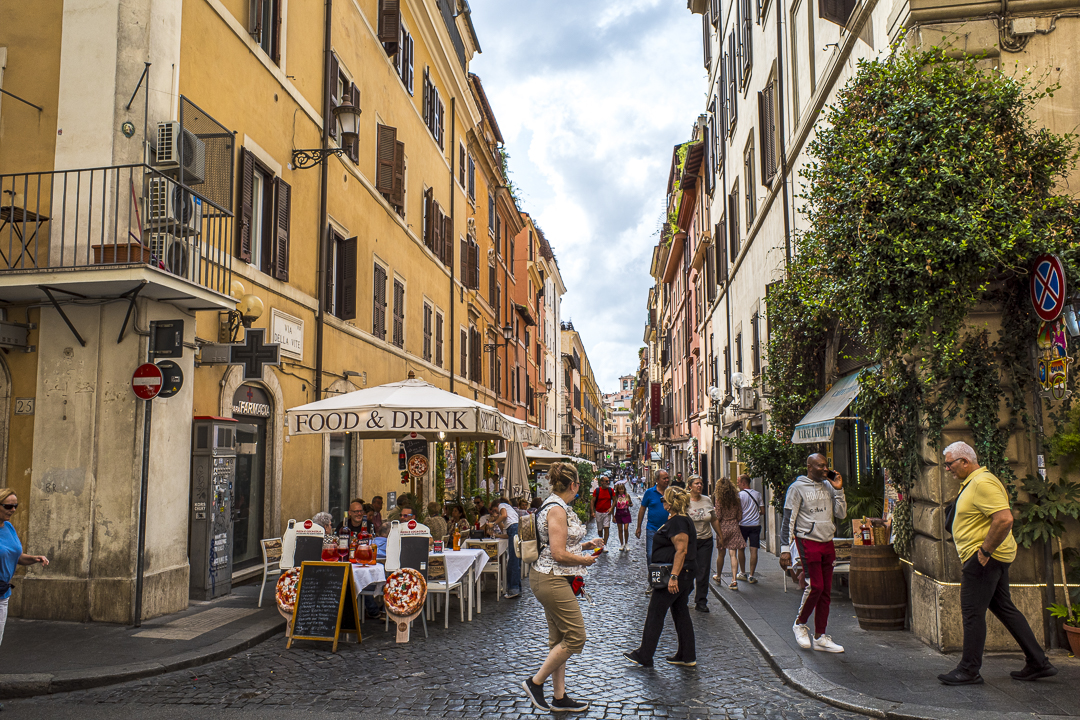
Italy is a country where food is more than nourishment—it is culture, history, family, and tradition. Whether you’re exploring the romantic canals of Venice, the rolling hills of Tuscany, the bustling streets of Rome, or the stunning Amalfi Coast, every region offers unique culinary treasures that tell the story of its people.
Unfortunately, many visitors make the mistake of eating at tourist traps or ordering dishes that locals rarely eat. The result? An expensive meal that doesn’t represent authentic Italian cuisine.
This comprehensive guide will help you discover where to eat, what to order, local specialties, dining etiquette, common mistakes to avoid, and how to experience Italy like a true Italian foodie. You’ll also find useful resources for planning your culinary adventure.
Why Italian Cuisine Is So Special
Italian cuisine is based on one simple philosophy:
Use fresh, local ingredients and let them shine.
Unlike many international cuisines that rely heavily on spices and sauces, Italian cooking emphasizes simplicity. A great pasta may contain only four or five ingredients, but every ingredient is of exceptional quality.
Some of Italy’s culinary principles include:
- Fresh seasonal vegetables
- Regional cheeses
- Homemade pasta
- Olive oil instead of butter (in much of southern Italy)
- Fresh seafood along the coast
- Slow-cooked meats
- Artisan bread
- Local wines
Every region proudly preserves recipes passed down through generations.
Understanding Italy’s Regional Cuisine
One of the biggest surprises for travelers is that there is no single Italian cuisine.
Each region has completely different traditions.
Northern Italy
Known for:
- Risotto
- Polenta
- Butter-based sauces
- Alpine cheeses
- Mushrooms
- Truffles
Popular dishes include:
- Risotto Milanese
- Ossobuco
- Vitello Tonnato
- Polenta with mushrooms
Central Italy
Home of famous classics such as:
- Carbonara
- Amatriciana
- Cacio e Pepe
- Florentine Steak
Fresh olive oil dominates the cuisine.
Southern Italy
Southern cuisine is lighter and more Mediterranean.
Expect plenty of:
- Tomatoes
- Seafood
- Mozzarella
- Eggplant
- Fresh herbs
- Citrus fruits
Naples, the birthplace of pizza, is located here.
Sicily
Sicilian food reflects centuries of Arab, Greek, Spanish, and Norman influence.
Specialties include:
- Arancini
- Cannoli
- Swordfish
- Pasta alla Norma
- Granita
- Fresh pistachios
Where Italians Actually Eat
One of the biggest travel mistakes is eating next to famous landmarks.
Restaurants directly overlooking attractions often charge premium prices while offering average food.
Instead, look for:
Trattorias
These family-run restaurants usually offer authentic recipes and generous portions.
Perfect for:
- Local pasta
- Homemade desserts
- Regional wines
Osterias
Traditionally small neighborhood restaurants.
Expect:
- Seasonal menus
- Local ingredients
- Traditional cooking
Many locals consider osterias the best places to experience authentic Italian cuisine.
Agriturismi
Located in the countryside, these farm restaurants serve food produced on-site.
You’ll often enjoy:
- Homemade cheese
- Fresh vegetables
- Local wine
- Olive oil
- Homemade pasta
Many travelers consider agriturismi among the finest dining experiences in Italy.
Local Markets
Markets are ideal for inexpensive lunches.
Don’t miss:
- Fresh mozzarella
- Prosciutto
- Olives
- Fresh fruit
- Artisan bread
- Local pastries
What to Order in Every Region
Rome
Must-try dishes:
- Carbonara
- Cacio e Pepe
- Amatriciana
- Saltimbocca
- Supplì
Avoid ordering Alfredo pasta—it’s primarily an international interpretation rather than a common everyday choice in Italy.
Florence
Famous foods:
- Bistecca alla Fiorentina
- Ribollita
- Pappa al Pomodoro
- Wild boar pasta
Venice
Order:
- Risotto al Nero di Seppia
- Fresh lagoon seafood
- Sarde in Saor
- Cicchetti
Skip pizza near St. Mark’s Square.
Naples
Don’t leave without trying:
- Authentic Neapolitan Pizza
- Fried pizza
- Sfogliatella
- Espresso
- Buffalo mozzarella
Bologna
Often called Italy’s food capital.
Try:
- Tagliatelle al Ragù
- Tortellini in Brodo
- Mortadella
- Lasagna Verde
Milan
Local favorites include:
- Risotto Milanese
- Ossobuco
- Cotoletta alla Milanese
- Panettone
Sicily
Order:
- Cannoli
- Arancini
- Pasta alla Norma
- Fresh tuna
- Granita
Italian Dining Etiquette Every Visitor Should Know
Dining customs matter.
Here are some important rules.
Cappuccino After Lunch?
Locals generally drink cappuccino in the morning.
After lunch or dinner:
Order an espresso.
Don’t Ask for Extra Cheese on Seafood Pasta
Parmesan rarely accompanies seafood dishes.
Many Italians consider this combination inappropriate.
Bread Isn’t an Appetizer
Bread is meant to accompany your meal—not to fill up before it arrives.
Respect Meal Times
Lunch:
12:30–2:30 PM
Dinner:
7:30–10:00 PM
Restaurants may close between lunch and dinner.
Don’t Rush
Meals are meant to be enjoyed.
Expect relaxed service.
Italian Street Food Worth Trying
Street food can be exceptional.
Some favorites include:
Arancini
Stuffed rice balls filled with meat, cheese, or vegetables.
Pizza al Taglio
Sold by weight.
Perfect for a quick lunch.
Panzerotti
Fried dough filled with mozzarella and tomato.
Popular in southern Italy.
Porchetta Sandwiches
Slow-roasted pork served in fresh bread.
Lampredotto
A famous Florentine sandwich loved by adventurous eaters.
Italian Desserts You Should Never Skip
Italy offers much more than tiramisu.
Try:
Gelato
Choose shops displaying gelato in covered metal containers rather than towering colorful mounds, as this often indicates fresher production.
Popular flavors:
- Pistachio
- Hazelnut
- Stracciatella
- Lemon
- Chocolate
Cannoli
A Sicilian masterpiece.
Filled fresh before serving.
Tiramisu
Originally from northern Italy.
Look for homemade versions.
Panna Cotta
Silky, creamy, and elegant.
Usually served with berries or caramel.
Sfogliatella
A flaky pastry from Naples.
Perfect with coffee.
Italian Drinks Worth Ordering
Espresso
Quick, strong, and delicious.
Usually consumed standing at the bar.
Aperol Spritz
Popular before dinner.
Negroni
Invented in Florence.
A classic Italian cocktail.
Local Wines
Always ask for:
Vino della Casa
House wines are often surprisingly excellent.
Limoncello
Perfect after dinner.
Especially along the Amalfi Coast.
Foods Tourists Should Avoid
Not everything marketed as “Italian” reflects authentic traditions.
Avoid:
Pineapple Pizza
Extremely uncommon in traditional Italian pizzerias.
Chicken Alfredo
Rarely found on menus in Italy as commonly served abroad.
Garlic Bread
A staple elsewhere but not a traditional restaurant side dish in Italy.
Overloaded Pasta
Authentic pasta focuses on balance.
Heavy cream sauces are uncommon outside certain regional recipes.
Tourist Menus with Photos
Restaurants displaying huge multilingual menus and aggressive street promoters often prioritize tourists over culinary quality.
How to Spot an Authentic Italian Restaurant
Look for:
- Italian-speaking customers
- Handwritten daily specials
- Small seasonal menu
- Local wine selection
- Fresh ingredients
- Reservations by locals
- No one trying to lure you inside
Good signs include:
- Homemade pasta
- Regional specialties
- Family ownership
- Traditional décor
Money-Saving Tips for Food Lovers
Travelers can enjoy amazing meals without overspending.
Eat Lunch Instead of Dinner
Lunch menus often cost significantly less.
Order House Wine
Usually excellent value.
Visit Markets
Fresh sandwiches and local cheese make wonderful picnic lunches.
Avoid Restaurants Beside Major Attractions
Walk just 10–15 minutes away.
Prices often drop while quality improves.
Share Large Courses
Many Italian portions are generous.
The Best Food Experiences Beyond Restaurants
Some unforgettable culinary experiences include:
- Wine tasting in Tuscany
- Truffle hunting in Piedmont
- Olive oil tasting in Umbria
- Cooking classes in Bologna
- Cheese farms in Parma
- Fishing villages in Cinque Terre
- Farm stays across rural Italy
These experiences offer a deeper understanding of Italy’s culinary heritage than restaurants alone.
Useful Websites for Further Study
If you’d like to learn more about Italian cuisine, regional specialties, and travel planning, these official and respected resources are excellent starting points:
- Italia.it (Official Italian Tourism Portal): https://www.italia.it/
- Gambero Rosso: https://www.gamberorosso.it/
- Slow Food International: https://www.slowfood.com/
- The Fork Italy (Restaurant Reservations): https://www.thefork.com/
- Michelin Guide Italy: https://guide.michelin.com/
- Academia Barilla (Italian culinary traditions): https://www.academiabarilla.it/
- Italian National Tourist Board (ENIT): https://www.enit.it/
These resources provide valuable information on authentic regional dishes, restaurant recommendations, cooking traditions, food festivals, and travel inspiration.
Frequently Asked Questions
Is tipping expected in Italy?
Tipping is appreciated but not mandatory. Many restaurants include a coperto (cover charge) or servizio (service charge). Leaving a few extra euros for excellent service is a kind gesture.
Can I ask for menu changes?
Minor requests are usually accepted, but Italians generally prefer dishes to be served as the chef intended.
Is tap water available?
Many restaurants offer bottled still or sparkling water by default. If you prefer tap water, ask politely, though availability varies.
When should I eat pizza?
Pizza is most commonly enjoyed at dinner, although casual pizzerias and bakeries also serve it during lunch.
Do I need reservations?
Yes, especially on weekends and during the tourist season. Popular local restaurants often fill up quickly.
Conclusion
Italy offers one of the world’s most rewarding culinary journeys, where every region showcases its own traditions, flavors, and time-honored recipes. From handmade pasta in Bologna and wood-fired pizza in Naples to fresh seafood in Venice, world-famous wines in Tuscany, and decadent cannoli in Sicily, every meal tells a story of local heritage and craftsmanship.
The secret to eating well in Italy is simple: venture beyond the busiest tourist streets, seek out family-run trattorias and neighborhood osterias, embrace regional specialties, and respect local dining customs. By choosing seasonal ingredients, authentic establishments, and traditional dishes, you’ll experience the true essence of Italian cuisine while avoiding the common pitfalls that many visitors encounter.
Whether you’re planning your first Italian vacation or returning to discover another region, this ultimate food guide will help you eat with confidence, appreciate the country’s extraordinary culinary diversity, and create unforgettable memories around the table. In Italy, every meal is an invitation to slow down, savor the moment, and celebrate one of the world’s greatest food cultures. Buon appetito!
Please bookmark us now press: ctrl+d and visit again soon for more fascinating travel destinations! Here some recommended links selected for you: The Best Books of the Month, Todays best Deals at Amazon, Best Sellers in Cell Phones & Accessories and last but not least the easy and great way to send a gift for the holidays: Amazon.com eGift Card (Instant Email or Text Delivery).
A selection of Nature images, wildlife, flora and landscape stock photos, to see many more images and to license our stock photos please see our complete collection of our wildlife, flora and landscape stock images here at Alamy.
Introducing our captivating photo book showcasing the mesmerizing flora and fauna of Panama! Dive into the vibrant world of biodiversity with stunning imagery capturing the essence of Panama’s natural wonders. From majestic birds to elusive wildlife and breathtaking landscapes, this book is a visual feast for nature enthusiasts.
Don’t miss your chance to own a piece of Panama’s natural heritage. Order your copy here at Amazon now and embark on a visual journey through the enchanting landscapes and fascinating wildlife of Panama!
Comments are closed